The Psychological Impact of High-Quality Travel Images on Personal Decisions
✈️Flight delayed or canceled? Get up to $650 compensation quickly and easily!
Claim now.
The Psychological Impact of High-Quality Travel Images on Personal Decisions: How One Photo Can Change the Entire Trajectory of Your Trip
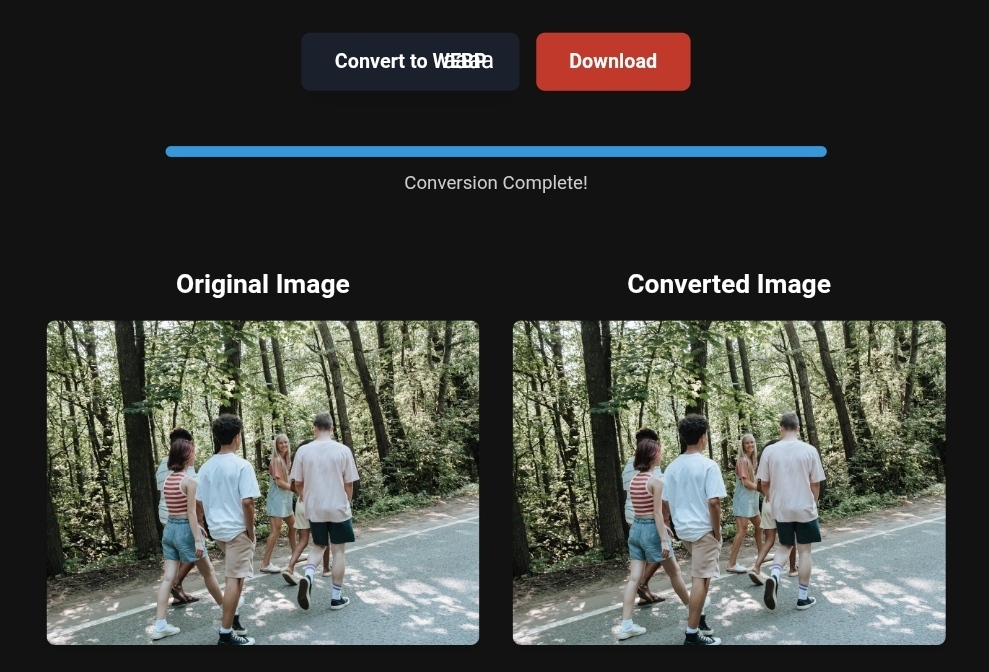
High-quality travel photo showcasing a forest with trees, perfect lighting, and detailed features.
Imagine this for a moment: you’re browsing a hotel booking site for your summer vacation, and you find two hotels with similar prices and ratings. The first hotel’s photos are dull, unclear, and show a messy bedroom. The second hotel features crisp, clear photos with perfect lighting that showcase every corner of the room. Which one would you choose? In an age where travel destinations and hotels are fiercely competing for travelers’ attention, the image doesn’t just speak a thousand words — it could be worth thousands of dollars and even determine the course of your entire journey. In this comprehensive guide, we’ll uncover how high-quality travel images influence your psyche and shape your decisions, and more importantly, how to protect yourself from falling into the trap of misleading photos and how to use this knowledge to your advantage, whether you’re a traveler or a tourism content creator.
H2: Why the First Image Can Determine Your Travel Booking’s Fate: The Science Behind the Decision
Before you even read the hotel description, compare prices, or know the hotel’s location, your eyes are drawn to the image. This isn’t just an opinion — it’s a scientific fact backed by a recent study that analyzed over 700,000 reviews on TripAdvisor. The study found that images shared by travelers had a significant impact on subsequent ratings, creating a powerful psychological effect known as “Expectation-Disconfirmation.”
Here’s how it works in your mind:
- The Halo Effect: When you see a high-quality photo, your brain automatically generalizes this positive impression to everything else. You assume the service is excellent, the food is delicious, and the management is professional, simply because the first photo blew you away.
- Uncertainty Reduction: Clear, detailed images reduce the natural anxiety any traveler feels before booking. You see multiple angles, fine details, and authentic shots, which makes you feel more secure and likely to make the decision faster.
- The 2026 Standard: The real danger isn’t just in beautiful images, but in poorly edited photos. Websites and booking platforms now use AI algorithms that score the quality of images themselves. Low-resolution or incorrectly categorized images (such as showing a bathroom instead of the pool) are pushed down in search rankings, meaning a hotel that neglects its photos could be buried in the results, regardless of its actual quality.
Conclusion: Ignoring image quality means your travel choices are no longer based on your needs, but on who has the best professional photo archive.
H2: From Imagination to Booking: How Photos Control Your Emotions and Your Wallet
Have you ever felt an overwhelming urge to book a trip to Japan just by seeing a picture of cherry blossoms falling on an ancient temple? Or maybe you lingered for a while over an image of a dish at a little-known restaurant?
This isn’t just a love for travel — it’s the clever manipulation of emotions, something major tourism marketing agencies rely on. The secret lies in the ability of high-quality images to stimulate the “limbic system” in your brain, the center of emotions and memory.
In 2026, as “deep tourism” takes center stage, photos are no longer just a panoramic view of nature. According to 2026 travel trends, travelers are more focused on the experience and the “feeling” of a place rather than just seeing it. Therefore:
- Storytelling Through Photos: A good photo doesn’t just show a bedroom; it promises you a “peaceful night after a long day of exploration.” It doesn’t just show a beach; it promises you a “moment of serenity and an unforgettable sunset.”
- FOMO (Fear of Missing Out): Seeing images of people enjoying the perfect vacation creates an internal feeling of deprivation. High-quality photos that depict a “full” place with life make you feel like you’re late and need to book immediately before it’s too late.
Risks You Didn’t Consider: The problem is, when you book purely based on emotions, you might collide with reality. A recent study revealed that overly high-quality images (resembling catalogs) can set expectations so high that they lead to disappointment upon arrival, as the real experience can’t live up to the perfect photo.
H2: The Silent Killer of Your Trip: When High-Quality Photos Are “Toxic” to Your Decision
Yes, that beautiful photo could actually be “toxic” or misleading. This is the part that rarely gets discussed. We always assume that higher quality equals greater credibility, but sometimes, the opposite is true.
Here are the risks to watch out for:
- Optical Illusion: Wide-angle photos can make a room look twice its actual size. Professional lighting hides the flaws of old paint or worn-out furniture. Carefully chosen angles avoid showing noisy air conditioning units or a wall-facing view.
- Expectation Gap: When you arrive at a destination based on “Instagram-worthy” images, the real-life sensory cues (sounds, smells, the feeling of space) will clash with the picture stored in your mind. This clash causes stress and disappointment, potentially ruining the first few days of your trip.
- Post-Purchase Rationalization: You might pay much more than the actual value of the room simply because the photos were so attractive. When you realize the difference, your brain tricks you into justifying the decision by saying, “It was still a beautiful view” even though deep down, you’re not happy.
Quick and Ready Solution for the Reader: Before you click “Book,” follow the “reverse image search” rule. Use a tool like Google’s “Search by Image” to check if the beautiful hotel image appears in 10 different hotels (a common deceptive practice). Secondly, look for “real traveler photos.” The ugly, unpolished, and non-professional shots tell you the full truth about the place.
H2: Practical Guide to Conversion: How to Turn Your Phone Photos into a Booking Magnet (For Tourism Business Owners)
If you run a hotel, restaurant, or tourism office, you’re now in an unforgiving race. The new algorithms of 2026 (like Google’s Core Web Vitals update) punish slow sites caused by heavy images and reward fast, clear images.
Here are the simple and magical solutions to turn your images into an unstoppable sales tool, with free and practical tools mentioned:
- The Hidden Magic: Turning PNG into WebP (And Why It’s a Psychological Decision Before Being a Technical One)
PNG images may be high-quality but are often too heavy. When you visit a travel site, and it takes 5 seconds to load an image, 40% of users will leave before they see it. This means you’re losing bookings before the customer even sees your luxurious room.
- Solution: Use the WebP format. This format combines the quality of PNG but with a file size up to 90% smaller.
- How to Apply Easily? No need for a graphic designer:
- For online use (fast and free): Go to CloudConvert or Toolloopai.com. On Toolloopai, you can upload the image and convert it to WebP with a single click, reducing the file size dramatically while maintaining the fine details that attract customers.
- For desktop use (for large files): Use apps like “Image Compressor” available on official app stores, which work offline and maintain your image privacy.
- Speed = Trust = Booking (A Direct Relationship)
Google has proven that optimizing the loading speed of the largest visual element on the page (Largest Contentful Paint – LCP) is the key to improving your search ranking.
- The Problem: 4K quality images at 5MB.
- Simple Solution: Compress the image before uploading it.
- Magical Tool: Use the “Online Image Tool.” This tool works with “serverless” technology, meaning you drag the image, compress it, and your images stay 100% private, with no risk of leakage. You can reduce the size by 68% without visually noticing any difference in quality.
- Hidden Tags (Metadata & Alt Text): The Mystery of Search Engines
A beautiful photo doesn’t help if Google can’t see it.
- Solution: Add descriptive “alt text” to every image. Instead of “IMG_556,” write “Double room with ocean view at Palm Beach Hotel.” This helps algorithms understand the image and display it to travelers searching for these specific details.
H2: What Image Conversion Tools Can’t Do (And What You Need to Know Before You Start)
Every tool has its limits. Before you rush to convert all your images to WebP or compress them, be mindful of these cautions:
- GIF Conversion: Not all tools properly convert animated GIF files. Some free websites will convert a GIF to a static (still) image or distort it. If your logo is animated or your image contains an animation, ensure the tool supports animated WebP.
- Watermarking: Most free tools place a watermark on your images. Imagine putting up your luxurious room images on your site with a watermark from “Kapwing” or “FreeConvert.” This significantly reduces your credibility. Solution: Pay a small fee (Pro) on these tools or use tools that work locally on your device (without uploading) to avoid watermarks.
- Privacy: Don’t upload sensitive or exclusive photos (such as internal floor plans or pre-opening images of royal suites) to random free cloud tools. Trusted sources like Toolloopai or those using WebAssembly on the browser are the safest.
Based on the precise data provided, we can define the ideal criteria for selecting the best companies that meet travelers’ needs. The goal is not merely to choose an ordinary service, but to find one that ensures a safe, comfortable, and hassle-free journey.
✅Embark on Your Next Adventure with Viator and Start an Unforgettable Journey
Enjoy exceptional travel experiences with Viator, the perfect platform for discovering tours, activities, and adventures around the world. Whether you’re looking for a private tour in new york or an enriching cultural experience, Viator offers everything you need, complete with high-quality images and detailed information to help you savor every aspect of your adventure. With Viator, your dream destinations are just a step away—start your journey now and create memories that will last a: https://www.viator.com/New-York-City/d687-ttd?pid=P00293733&mcid=42383&medium=link
✅Related Technology: High-Quality Image Capture
If you’re working on digitizing old photos or creating digital assets from film negatives, starting with high-quality scans ensures your final optimized images retain maximum detail.
👉 Check the 22MP Slide Scanner on AliExpress: https://s.click.aliexpress.com/e/_c4VFbg55
✅Are you ready to take your business to the next level? Whether you’re an entrepreneur, small business owner, or digital marketer, there are smart tools that can turn your ideas into real profits!
By integrating high-quality images with a reliable platform like Spocket, you can transform your dropshipping store into a premium shopping experience, increasing your chances of real profits. Don’t waste time searching for complicated solutions—try Spocket now and start offering professional images for your products to ensure your success!
👉 Check supplier requirements on Spocket: https://get.spocket.co/e8z1port3g11
Products are chosen independently by us. Purchases made through our links may earn us a commission at no additional cost to you.
H2: FAQs: What Smart Travelers and Marketers Are Doing in 2026
Q1: Does image size affect my hotel’s ranking on Google Maps or booking platforms?
A1: Absolutely. Starting from the 2026 updates, “Image Quality Score” has become an official ranking factor. Properties that offer unoptimized (heavy or blurry) images show up lower in search results. The solution is to ensure your images are at least 3840 pixels for the long edge, with smart compression to reduce file sizes.
Q2: How can I distinguish between a real professional photo and one that’s overly marketed?
A2: Look for the details. Real photos often show some “natural mess” (like a towel left out or indirect lighting). Overly manufactured photos are too perfect, almost unreal. Always use “guest-generated photos” to get a clearer idea of the actual experience.
Q3: What’s the best format for tourists who take photos with their phones and share them on social media?
A3: Use the HEIC format if your phone is modern, but when posting or uploading, convert it to WebP. WebP is the golden standard for 2026, as it maintains high visual quality required for tourism, with reduced data consumption. This makes your page load faster for users browsing on mobile data while traveling.
Final Thoughts: The Power of Images in Tourism Marketing
In 2026, the tourism industry continues to evolve, and images have become more than just a reflection of a place—they are the gateways to travelers’ decisions. The psychological power of high-quality travel images is undeniable, influencing both travelers and businesses alike. Whether you are booking a hotel or trying to make your property stand out, understanding how images affect emotions, decisions, and perceptions is crucial.
For travelers, it’s about being vigilant, understanding the potential for misleading visuals, and making smarter decisions. For tourism business owners, it’s about harnessing the power of high-quality images in an ethical and effective way to boost bookings, all while improving speed and SEO.
If you’re in the tourism industry, remember that your photos are not just selling a room or a view—they’re selling an experience. So, make them count. Use the right formats, optimize them for speed, and always be authentic in what you share. Your guests will thank you for it, and your bookings will reflect it.
R Hallou
SEO Expert and User Behavior Analyst, Writer at toolloopai.com. The site specializes in generating and enhancing images using AI for websites and anyone seeking high-quality photos for use in tourism or marketing activities.
One Comment