
How Tourism Photography Enhances Cultural Understanding
Official site for image conversion:➡️toolloopai.com
✈️Your flight delayed or canceled? Get up to $650 compensation with AirHelp! We handle everything for you. Check now!
https://airhelp.tpo.mx/7GwWkycl
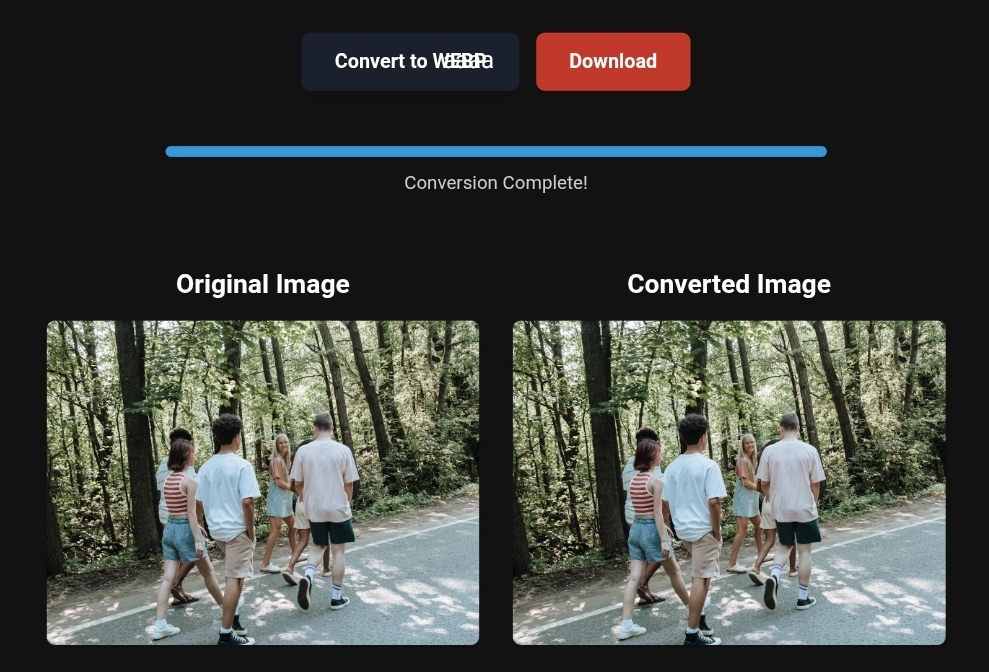
Showing the details for capturing photos that don’t appear in traditional guidebook images.
How Tourism Photography Enhances Cultural Understanding
When your phone transforms into a true passport: a visual glimpse that reveals what guidebooks don’t say.
Imagine, for a moment, standing before the Parthenon in Athens. The wind plays with your hair, and the ancient marble columns silently narrate 2,500 years of history. You snap a quick photo for your memory. But an hour later, as you scroll through your phone on the bus, you see a picture from your friend “Lauren” of the same temple. But it’s entirely different: her shot focuses on the shadow of two children running between the columns, and a small inscription behind them tells a story no tourist brochure ever mentioned.
In that moment, you realize the difference between “seeing” and “cultural understanding.” This is exactly what we’ll dive into in this article: why tourism photos are not just digital souvenirs, but a genuine bridge to a deeper, more authentic understanding of different cultures. More importantly, we’ll uncover the hidden risks that could cause you to miss out on this valuable insight and how, with just your phone and a few smart solutions, you can turn your camera lens into a true cultural exploration tool.
Why Improving Your Tourism Photography Experience Is Not a Luxury, But a Necessity for Cultural Understanding
In an age dominated by visuals over words, “visual insight” has become the true measure of understanding. However, there’s a significant issue most travelers and photography enthusiasts face, and you might not notice it until the damage is done.
The Silent Risks: What Happens When You Don’t Pay Enough Attention to the Quality of Your Cultural Photos?
Let’s be realistic. How many photos have you taken on past trips that you simply let die in your phone’s archive because they were too heavy to share or too poor in quality to do the scene justice? This isn’t just a technical frustration—it’s a loss of cultural context:
- Cultural Flattening: When your photo is blurry or poorly lit, you lose the ability to capture the “true fabric” of a place. Faded colors don’t show the vibrancy of a traditional market; blurriness hides the genuine expressions of local artisans. The result? A distorted representation of the culture that reaches your followers as an incomplete message.
- The Digital Weight Paradox: You take 50 high-quality PNG photos. Great, right? But their large size makes any website or app they’re uploaded to painfully slow. In a world where “load speed” is a sign of seriousness, a slow image means no one will view it, and consequently, no one will see the cultural analysis you were trying to share.
- The Technical Misunderstanding: Did you know that PNG format might not display the earthy and golden colors of the desert correctly on all devices? On the other hand, WebP, designed specifically for the web, preserves the color gradients more accurately with a smaller file size. Neglecting image format conversion isn’t just a technical mistake; it’s a “misinterpretation” of the visual culture you’re trying to convey.
The Simple Solution (Right in Your Hands):
Don’t wait until you’re back at your hotel. While you’re out and about, use smart apps to compress and optimize your photos. Simple tools like Toolloopai or websites like CloudConvert allow you to convert a PNG to WebP with just one click. This way, you ensure your photo retains its high quality (to capture fine details of craftsmanship) while being light enough to share instantly with the world, inspiring them with the beauty of that culture.
The Ink Jet vs. the Eye: How a Photo Becomes a True Anthropological Document
At the “Xposure 2026” Photography Festival in Sharjah, the photos weren’t just beautiful pieces of art; they were “cultural dialogue tools.” Entire zones were dedicated to “Travel and Adventure Photography,” not just to showcase landscapes, but to explore “spatial narratives.”
This confirms one simple fact: a good tourism photo tells a story, while a bad photo tells… nothing.
From “Tourist” to “Visual Researcher” in Three Practical Steps
Move from being just a button-pusher to a professional visual researcher using these expert-backed strategies:
- Look for “Identity,” Not Just “Landmarks”: Instead of just capturing the face of a building, focus on the “human touch.” In sustainable tourism experiences, researchers have shown that photographing cultural heritage is directly linked to its preservation. Look for an artisan’s hand shaping clay or the intricate details of a local garment that no one else noticed.
- Use Compression as a Tool, Not a Loss: When you compress a photo correctly, you’re “consolidating” information. A compressed image in SVG for infographics or Avif for complex photos retains hidden “metadata” (such as coordinates, sunset time, or light angles) about the place. This metadata becomes an academic reference for those later analyzing the cultural context.
- Participatory Sharing Loop: Just like with Lauren in Athens, where sharing images in a shared album sparked “meaningful conversations” on the bus about the town’s nature. When you share an enhanced, captivating image, you’re not only broadcasting beauty; you’re opening doors to curiosity: “Why is the roof curved in this particular neighborhood?” “Why do vendors smile in this way in the morning?” A clear photo is an excellent conversation starter.
Before and After: What Happens to Cultural Understanding When the Photo Is “Enhanced”?
Let’s conduct a quick mental experiment based on real data. In China, in 2026, “ethnic fashion photography” transactions rose by 130%. Why? Because tourists realized that high-quality, lightweight photos are what get shared, liked, and create a “demand” for cultural understanding.
| Metric | Unoptimized Tourism Photo (e.g., PNG, 15 MB) | Optimized Tourism Photo (e.g., WebP, 500 KB) | Effect on Cultural Understanding |
|---|---|---|---|
| Load Speed (LCP) | Very slow (> 2.5 seconds), user leaves before it appears | Instant (< 1 second), user sees and starts analyzing immediately | |
| Shareability | Hangs when sent via WhatsApp or email | Easily reaches all platforms | Culture spreads wider and faster |
| Detail Clarity | Poor storage, unnatural colors due to outdated format (JPEG) | High-definition, local colors (gold, textures) | Viewers notice intricate details like embroidery or Islamic architecture engravings |
| SEO Performance | Does not show up in Google Images due to size | Shows up in top “Cultural Tourism” image results | Cultural researchers find your content easily, establishing you as a trusted source |
A Step-by-Step Guide to Turning Your Photos Into Trusted Cultural Ambassadors (Ready-to-Use Solutions)
The fear of complexity is the greatest enemy of visual culture. Don’t be held hostage by technical mistakes. Here’s the simple guide to turning your photos into “digital ambassadors” using free, accessible tools like Toolloopai (for AI-powered image enhancement) and CloudConvert (for format conversion).
Perfect Conversion Strategy (PNG/JPEG to WebP/Avif)
- Why Convert? PNG is great for transparency but too heavy for the web. WebP provides near-identical quality with 30% less file size. Avif is the latest and most efficient format for 2026.
- How to Apply It:
- For wide landscapes (markets, vistas): Use WebP or Avif. Keep quality at 85% for the perfect balance between size and clarity.
- For infographics and maps (e.g., ancient trade routes): Use SVG to ensure maps stay sharp no matter the screen size (ideal for mobile users).
- Execution Tools: Upload your image to CloudConvert or use Toolloopai’s interface to compress and automatically adjust lighting to match the region’s style.
Professional Tip for “Core Web Vitals” (Blog Performance Optimization)
If you run a travel blog or heritage site (or even want to archive your images in a lasting family album), load speed (LCP) is a crucial metric. Heavy images ruin the user experience.
- Solution: Add
loading="lazy"to your image code and treat the image as an “Eastern story”—let it fade in smoothly instead of loading abruptly. This builds anticipation and respect for the visual content, just like unveiling a piece of art.
What Image Conversion Tools Can’t Do (A Clear Warning)
It’s essential to be transparent. Image optimization tools like Toolloopai are “smart assistants,” not “miracle workers.”
Risks no algorithm can fix:
- Lack of “Sense of Place”: AI can improve clarity, but it can’t capture the “scent” or “thermal sensation” of a place. That’s your job as a traveler.
- Fully Fabricated Images: Avoid using AI-generated images to document a living culture. It’s a dangerous form of deception under Google’s 2026 standards. Cultural photos must be authentic and reflect “lived experience.”
- Copyright Violations: Even if you optimize them, never share images of people without their permission. Trust is at the core of Google’s E-E-A-T standards.
The Simple Conclusion: Use Tools to Clarify What You’ve Seen, Not to Invent What You Haven’t. Visual Honesty is the Currency of Digital Culture.
Based on the precise data provided, we can define the ideal criteria for selecting the best companies that meet travelers’ needs. The goal is not merely to choose an ordinary service, but to find one that ensures a safe, comfortable, and hassle-free journey.
✅Embark on Your Next Adventure with Viator and Start an Unforgettable Journey
Enjoy exceptional travel experiences with Viator, the perfect platform for discovering tours, activities, and adventures around the world. Whether you’re looking for a private tour in new york or an enriching cultural experience, Viator offers everything you need, complete with high-quality images and detailed information to help you savor every aspect of your adventure. With Viator, your dream destinations are just a step away—start your journey now and create memories that will last a: https://www.viator.com/New-York-City/d687-ttd?pid=P00293733&mcid=42383&medium=link
✅Related Technology: High-Quality Image Capture
If you’re working on digitizing old photos or creating digital assets from film negatives, starting with high-quality scans ensures your final optimized images retain maximum detail.
👉 Check the 22MP Slide Scanner on AliExpress: https://s.click.aliexpress.com/e/_c4VFbg55
✅Are you ready to take your business to the next level? Whether you’re an entrepreneur, small business owner, or digital marketer, there are smart tools that can turn your ideas into real profits!
By integrating high-quality images with a reliable platform like Spocket, you can transform your dropshipping store into a premium shopping experience, increasing your chances of real profits. Don’t waste time searching for complicated solutions—try Spocket now and start offering professional images for your products to ensure your success!
👉 Check supplier requirements on Spocket: https://get.spocket.co/e8z1port3g11
Products are chosen independently by us. Purchases made through our links may earn us a commission at no additional cost to you.
FAQs
Q: What’s the best format for preserving heritage architecture photos for sharing on social media?
A: WebP is the best choice in 2026. It provides high quality with a smaller file size, preventing apps from compressing your photos again and distorting their details.
Q: Does image compression affect my ability to sell my heritage photos as fine art?
A: Yes, if you over-compress them. Always keep a RAW or PNG version for printing or professional sales, and use the compressed WebP/Avif version for online display only.
Q: How can I use tourism photos to enhance my cultural understanding before traveling?
A: Don’t just look for “landmarks.” Search platforms like Unsplash or Flickr for candid shots of local markets and cafés. Analyze the enhanced images showing daily life—they’ll tell you more about the “living” culture than guidebooks ever will.
Q: What does “LCP” mean in the context of cultural photos?
A: LCP (Largest Contentful Paint) is a measure of how quickly the largest visual element on a webpage loads. If your cultural photos load slowly, search engines will view the user experience as poor, and won’t recommend your content, regardless of its artistic value.
About the Author
R Hallou
SEO and Visual Identity Strategy Expert, and a dedicated writer at Toolloopai. The website offers comprehensive AI-driven solutions for generating and optimizing images—not only for websites but also for travelers and dreamers who want their photos to come to life and authentically convey the cultures of the world to everyone with honesty and precision.
🌐 www.toolloopai.com
One Comment