
How Do Travel Images Contribute to Enhancing Eco-Tourism Experiences?
Your flight delayed or canceled? Get compensation of up to $650 with AirHelp! We guarantee your rights and handle everything for you. Check your compensation now quickly and easily https://airhelp.tpo.mx/7GwWkycl
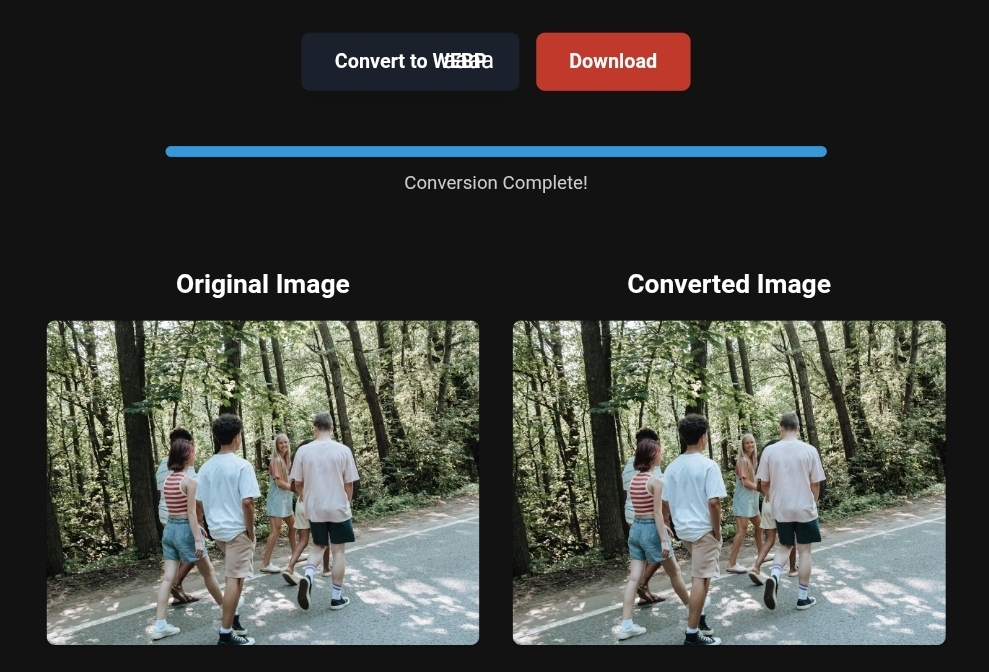
Image of the Amazon rainforest with dense trees and sunlight filtering through the leaves.
How Do Travel Images Contribute to Enhancing Eco-Tourism Experiences?
Imagine you’ve stumbled upon “paradise” online. A beautiful website, promises of the trip of a lifetime, and an adventure deep in the rainforest or atop rugged mountain peaks. You’re eagerly waiting for the images to load… Seconds pass… Then minutes… Nothing appears except the spinning loading icon. Frustrated, you leave the site and book your trip with a competitor.
This is the real danger faced by eco-tourism websites today.
In an era where search engines like Google 2026 compete to deliver the best user experience, simply having beautiful images is no longer enough. How you present those images—its size, format, and loading speed—determines whether visitors will stay or leave. This article is your survival guide in the world of optimizing travel images. We’ll reveal the deadly mistakes many make and offer easy, ready-to-use solutions to turn your images from a site-slowing burden into a powerful marketing tool that boosts bookings.
Why Image Optimization Matters for Travelers and the Planet
When we talk about eco-tourism, the first thing that comes to mind is sustainability and resource conservation. Ironically, many eco-tourism websites drain digital resources (and user patience) through unoptimized images.
Load Speed: The Thin Line Between Booking and Frustration
High-resolution images are a double-edged sword. On one hand, they’re crucial for showcasing the beauty of a destination. On the other hand, if not properly compressed and converted to the right format, they become your website’s biggest enemy.
- The Danger: Recent studies show that a one-second delay in page load time can reduce conversions (i.e., bookings) by up to 20%. Eco-tourists are curious but often digitally impatient. If images of the Amazon rainforest or safari tours load slowly, they’ll think your site is unreliable or unprofessional.
- The Simple Solution: Use image compression tools tailored for travel websites. Tools like CloudConvert or specialized image optimization sites allow you to significantly reduce image size without compromising visual quality. Aim for a file size of 200-300 KB with a display resolution of 1920px.
The Magic Formula: Why WebP and AVIF Are the Future of Travel
Using traditional formats like PNG or JPEG can be a silent disaster. PNG is great for logos and simple graphics, but it’s too heavy for photos. JPEG is fine, but it’s outdated.
- The Danger: Search engines now prioritize Core Web Vitals, one of the most important being LCP (Largest Contentful Paint)—the time it takes for the largest visual element on the page (usually an image) to load. If your images are in large PNG format, you’ll fail Google’s test and consequently drop in search rankings.
- The Ready Solution: Convert PNG images to WebP for travel images, or use the modern AVIF format. These formats offer 30-50% better compression than JPEG, maintaining higher quality at a smaller size. Travel websites can use free tools like Toolloopai or CloudConvert to convert an entire image library with one click.
Practical Tips for Transforming Travel Images (Don’t Skip These)
Let’s move from theory to application. Here are the practical steps that can turn your eco-tourism site from slow to fast and engaging.
- Smart Conversion: From PNG to WebP for Eco-Friendly Content
Nature images often feature complex color gradients (green forests, blue lakes). PNG preserves these details, but at a hefty file size.
- Practical Step: Upload your original high-quality image to the conversion tool. Choose the “Lossless Compression” setting for the best quality, or “Lossy Compression” at 80-85% to minimize size while keeping the image visually appealing.
- Correct Size Is Key (Not Just File Weight)
Don’t just compress the image—resize it to the correct dimensions.
- The Danger: Uploading a 6000x4000px image and then displaying it at 300x200px is a massive waste of bandwidth. The browser still loads the heavy image and then shrinks it, which especially slows down mobile devices.
- The Simple Solution: Before converting the image, resize it to fit the maximum display width you need (usually 1200-2000px for desktop). Image conversion tools like Toolloopai allow you to adjust dimensions and compress in one step.
- Lazy Loading Feature
This simple technical setting works wonders.
- Explanation: Instead of loading all images at once (which is crazy if the page has 50 images), make the browser load only the images currently visible on the screen. As the user scrolls down, the remaining images are loaded.
- Implementation: Add the
loading="lazy"attribute to the<img>tag in your HTML code. Most modern website builders (like WordPress) do this automatically when the setting is enabled.
What Image Conversion Tools Can’t Do (Explicit Limitations)
While these tools are powerful, there are misconceptions that need addressing.
- It Won’t Turn a Bad Image into a Good One: If the original image is unclear (blurry) or poorly lit, compressing it to WebP or AVIF won’t magically make it look great. Digital optimization improves performance, not the technical quality of the image. Start with high-quality visual content.
- Not a Solution for Server Issues: If your hosting server is inherently slow (like some cheap shared hosting plans), optimizing images alone won’t make your site lightning fast. You’ll need to optimize the server or use a Content Delivery Network (CDN).
Conclusion: Your Images Are Your Brand’s Frontline
In the world of eco-tourism, you’re selling a dream and an experience. Don’t let technology stand between the traveler and their journey. When you visit a website and find images that load quickly with high clarity, you naturally feel confident and professional. This is the “trusted brand” feeling that Google is looking for.
Start today by reviewing your website’s images. Use the tools mentioned (like Toolloopai for converting PNG to WebP or CloudConvert for compressing general images) and watch your bounce rate decrease and your search engine rankings improve.
Based on the precise data provided, we can define the ideal criteria for selecting the best companies that meet travelers’ needs. The goal is not merely to choose an ordinary service, but to find one that ensures a safe, comfortable, and hassle-free journey.
✅Embark on Your Next Adventure with Viator and Start an Unforgettable Journey
Enjoy exceptional travel experiences with Viator, the perfect platform for discovering tours, activities, and adventures around the world. Whether you’re looking for a private tour in new york or an enriching cultural experience, Viator offers everything you need, complete with high-quality images and detailed information to help you savor every aspect of your adventure. With Viator, your dream destinations are just a step away—start your journey now and create memories that will last a: https://www.viator.com/New-York-City/d687-ttd?pid=P00293733&mcid=42383&medium=link
✅Related Technology: High-Quality Image Capture
If you’re working on digitizing old photos or creating digital assets from film negatives, starting with high-quality scans ensures your final optimized images retain maximum detail.
👉 Check the 22MP Slide Scanner on AliExpress: https://s.click.aliexpress.com/e/_c4VFbg55
✅Are you ready to take your business to the next level? Whether you’re an entrepreneur, small business owner, or digital marketer, there are smart tools that can turn your ideas into real profits!
By integrating high-quality images with a reliable platform like Spocket, you can transform your dropshipping store into a premium shopping experience, increasing your chances of real profits. Don’t waste time searching for complicated solutions—try Spocket now and start offering professional images for your products to ensure your success!
👉 Check supplier requirements on Spocket: https://get.spocket.co/e8z1port3g11
Products are chosen independently by us. Purchases made through our links may earn us a commission at no additional cost to you.
FAQs
Q: What is the best image format for eco-tourism websites in 2026? A: WebP and AVIF are currently the best options. AVIF offers better compression, but its support is still limited in some older browsers. WebP is the safer and more balanced choice between quality and file size for most websites.
Q: Does image compression affect how my images appear in Google Search results (Google Images)? A: Yes, positively. Google favors fast websites. Optimized images that load quickly are better indexed. Be sure to also add descriptive Alt Text to each image with keywords like “Kenya Safari Trip” or “Amazon Rainforest.”
Q: How do I handle mobile images? A: Use the srcset feature in HTML. This allows you to load a smaller image for mobile and a larger one for desktop, saving mobile data significantly.
Q: What is the ideal image size for a travel site? A: Ideally, each image should not exceed 500 KB. Images between 100 and 300 KB are excellent—high quality with smart file size.
R Hallou | SEO Expert and Image Optimization Writer
Specializing in practical solutions for travelers and eco-tourism site owners to enhance their digital presence. Discover more tools and techniques on my website: Toolloopai – AI-powered Image Conversion & Optimization.
One Comment