From Snapshot to Adventure, How Photos Shape the Travel Experience
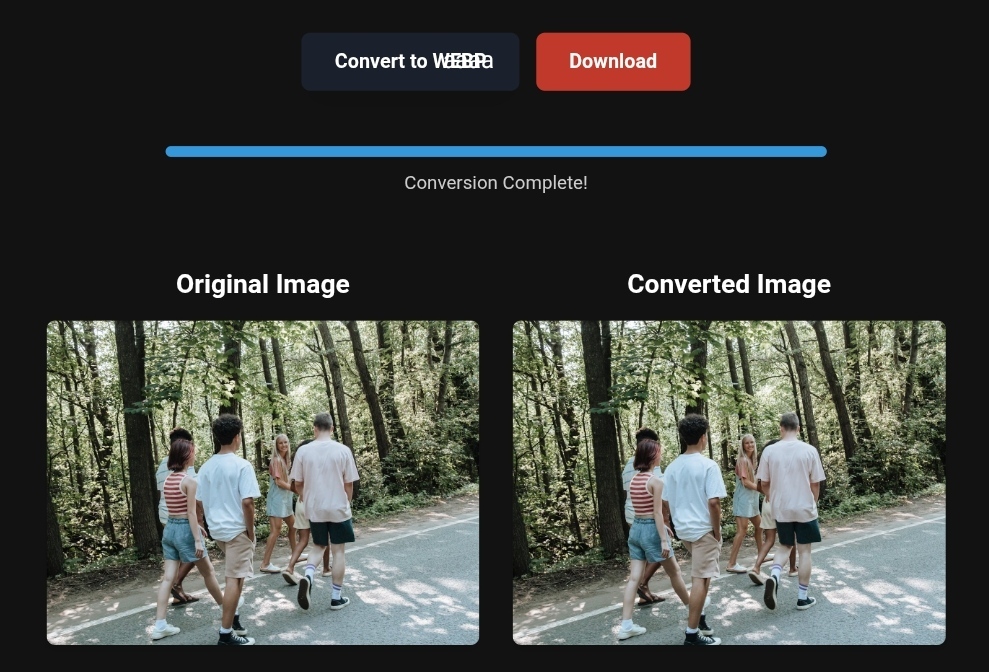
png to webp (high photo)
From a Single Image to a Complete Journey: How Photos Influence Tourists
In the digital tourism landscape of 2026, a photo is no longer just a documentation tool—it’s the starting point that sparks the entire travel journey. From the moment a traveler spots a breathtaking landscape on social media to clicking that “Book Now” button, images serve as an irresistible driving force. With the evolution of tourism image optimization and photo compression techniques, website owners now have the power to transform that first glance into a confirmed booking.
In this comprehensive guide, we’ll explore how images affect tourists, the latest strategies for turning images into high-converting travel ads, and how a simple improvement in image quality can make a significant difference in your site’s performance.
Why Image Optimization Matters for Travelers
Modern travelers no longer rely solely on text to make decisions. Recent studies reveal that photographs help customers perceive product information more accurately and clearly. A customer’s perception of a product plays a pivotal role in their purchase decision. With the advancement of AI technologies, search engines are now capable of “reading” images and identifying facilities and services within them, even when not explicitly mentioned in text.
This means your image is no longer just a decorative element—it’s a crucial part of your SEO strategy. According to Google’s 2026 guidelines, travel brands should focus less on generic keywords and more on how AI interprets visual content.
The Impact of Images on Site Speed and User Experience
On the flip side, unoptimized images can become your website’s worst enemy. Large, uncompressed images are the primary cause of slow page loading times on travel websites. Google’s data shows that a delay of just one second in page load time on mobile devices can reduce conversion rates by up to 20%.
Therefore, image compression for tourism is not just a technical option—it’s a necessity to ensure:
- Faster Page Load Speeds: Fast websites rank higher in search results.
- Improved Core Web Vitals Metrics: Especially LCP (Largest Contentful Paint), which measures the speed at which the main content appears.
- Increased Engagement: Visitors who immerse themselves in a photo gallery spend more time on your site, increasing the likelihood of booking.
Practical Tips for Transforming Travel Photos
You don’t need to be a tech expert to optimize your photos. Here are practical steps you can implement today:
- Choose the Right Format: WebP and AVIF Power
Switching from traditional formats like PNG and JPEG to modern formats is one of the most impactful changes you can make.
- Convert PNG to WebP for Tourism Photos: This conversion reduces file size by 25-35% without noticeable quality loss.
- AVIF Format: Offers even better compression than WebP, but ensure it’s compatible with your target audience’s browsers.
Pro Tip: Use the <picture> HTML element to serve WebP for modern browsers while keeping JPEG as a fallback for older browsers.
- Smart Image Compression
Use travel image compression tools to reduce file sizes while maintaining quality. Aim for a balance between size and clarity:
- For Hero Images (main panoramic images): You can afford slightly larger files (200-300KB) due to their importance.
- For Thumbnails: Keep file size under 50KB.
- Lazy Loading
Activate lazy loading, so images only load when the user scrolls to them. This drastically improves initial page load time.
- Optimize for Mobile
Since most traffic comes from smartphones, ensure your images are responsive to different screen sizes. Use the srcset attribute to provide multiple versions of the image (small for mobile, large for desktop).
Before and After: The Real Impact of Image Optimization
To understand the difference these optimizations make, let’s look at the practical side:
| Metric | Before Optimization (PNG/JPEG) | After Optimization (WebP + Compression) |
|---|---|---|
| Page Size | 15-20 MB | 2-3 MB |
| Load Time (LCP) | 4-6 seconds | 1.5-2.5 seconds |
| Bounce Rate | High (50%+) | Low (20-30%) |
| SEO | Low ranking | Higher ranking in image and organic results |
Optimized images don’t just make your site faster; they also make it look more professional. An analytical study found that well-lit, color-balanced, and properly framed images (as identified by neural networks like Google Inception v3) create a positive perception in the customer’s mind, leading to higher booking rates.
Step-by-Step Guide to Image Conversion (From PNG to WebP)
Let’s say you have a panoramic image of your hotel in PNG format. Here’s how to convert it for maximum efficiency:
- Choose the Right Tool: Use a reliable conversion tool like ToolloopAI or command-line tools like
cwebp. - Convert PNG to WebP for Tourism Photos:
- Upload the original image.
- Select the quality setting (usually, 80-85% is the sweet spot for quality vs. size).
- Download the converted image, which will be at least 30% smaller.
- Apply WebP/JPEG/PNG/SVG/AVIF: Don’t hesitate to use a mix of formats. Use SVG for icons and logos (as they’re vector-based) and WebP or AVIF for photographs.
- Update on Server: Replace the old PNG files with the new ones and update the image paths in the code.
What Image Conversion Tools Can’t Do
While image conversion and compression tools are essential, they are not magic solutions. Here are some limitations to be aware of:
- They Can’t Compensate for Poor Photography Quality: If the original image is blurry or poorly lit, the conversion won’t make it better. “An unoptimized image from a digital camera isn’t suitable for the web—it’s too high resolution for print.” Professional photography remains the foundation.
- They Don’t Replace Alt Text: Search engines and AI still need alt text to read the image. “Images need alternative text that describes their content in a helpful way.”
- They Don’t Organize the Gallery Structure: Simply optimizing images without organizing them into a well-structured “tourism photo gallery” won’t have the desired effect. Your images should tell a story: from the exterior to the entrance, the room, the bathroom, the view.
Based on the precise data provided, we can define the ideal criteria for selecting the best companies that meet travelers’ needs. The goal is not merely to choose an ordinary service, but to find one that ensures a safe, comfortable, and hassle-free journey.
✅Embark on Your Next Adventure with Viator and Start an Unforgettable Journey
Enjoy exceptional travel experiences with Viator, the perfect platform for discovering tours, activities, and adventures around the world. Whether you’re looking for a private tour in new york or an enriching cultural experience, Viator offers everything you need, complete with high-quality images and detailed information to help you savor every aspect of your adventure. With Viator, your dream destinations are just a step away—start your journey now and create memories that will last a: https://www.viator.com/New-York-City/d687-ttd?pid=P00293733&mcid=42383&medium=link
✅Related Technology: High-Quality Image Capture
If you’re working on digitizing old photos or creating digital assets from film negatives, starting with high-quality scans ensures your final optimized images retain maximum detail.
👉 Check the 22MP Slide Scanner on AliExpress: https://s.click.aliexpress.com/e/_c4VFbg55
✅Are you ready to take your business to the next level? Whether you’re an entrepreneur, small business owner, or digital marketer, there are smart tools that can turn your ideas into real profits!
By integrating high-quality images with a reliable platform like Spocket, you can transform your dropshipping store into a premium shopping experience, increasing your chances of real profits. Don’t waste time searching for complicated solutions—try Spocket now and start offering professional images for your products to ensure your success!
👉 Check supplier requirements on Spocket: https://get.spocket.co/e8z1port3g11
Products are chosen independently by us. Purchases made through our links may earn us a commission at no additional cost to you.
FAQs
Q: What’s the best image format for travel sites in 2026?
A: WebP is currently the optimal choice for its balance of quality and file size, with broad browser support. AVIF is the future and offers better compression, but ensure it’s supported by your target audience.
Q: Does image compression affect visual quality?
A: Smart compression (Lossy Compression) reduces file size by removing data invisible to the human eye. When settings are optimized (e.g., 80% quality), the average visitor won’t notice the difference, but search engines will notice the faster load time.
Q: How can I measure the impact of image optimization on bookings?
A: Monitor conversion rates on pages you’ve optimized. Use Google Analytics to compare user behavior before and after optimization, and track Largest Contentful Paint (LCP) in Google Search Console. According to Skift, “When travelers are ready to book, they return to traditional search”—make sure they return to your fast site.
Q: How many images should a hotel listing have on booking platforms (OTAs)?
A: Experts recommend between 25-40 images that cover all room types, amenities, restaurants, and exteriors. The recommended resolution is at least 2048 × 1536 pixels. The Hero Image should immediately convey the unique value of the property.
About ToolloopAI
At ToolloopAI, we understand the challenges travel marketers and website owners face in the race for speed and quality. As experts in AI-powered image generation and optimization, we provide the smart tools you need to convert your images to WebP, compress them, and enhance their performance without sacrificing visual accuracy. Our goal is to empower anyone who wants high-quality images for any tourism activity, from bookings to marketing.
Nasser Al-Arif | Founder and Lead Expert at toolloopai.com. Specializing in AI-powered image generation and optimization for websites and anyone seeking high-quality images for any tourism activity. Visit www.toolloopai.com.
For more information on how tourism image conversions impact sales, be sure to check out our comprehensive guide on Lossless Image Conversions. You can also discover more tips on optimizing travel destination images and turning them into prime booking opportunities for your tours here: https://www.toolloopai.com/how-travel-images-contribute-to-building-destination-reputation/
One Comment