How Travel Images Contribute to Building Destination Reputation
A universal SIM card and app for travelers, operational in 190 countries and allows for roaming-free travel. Learn more through this link.
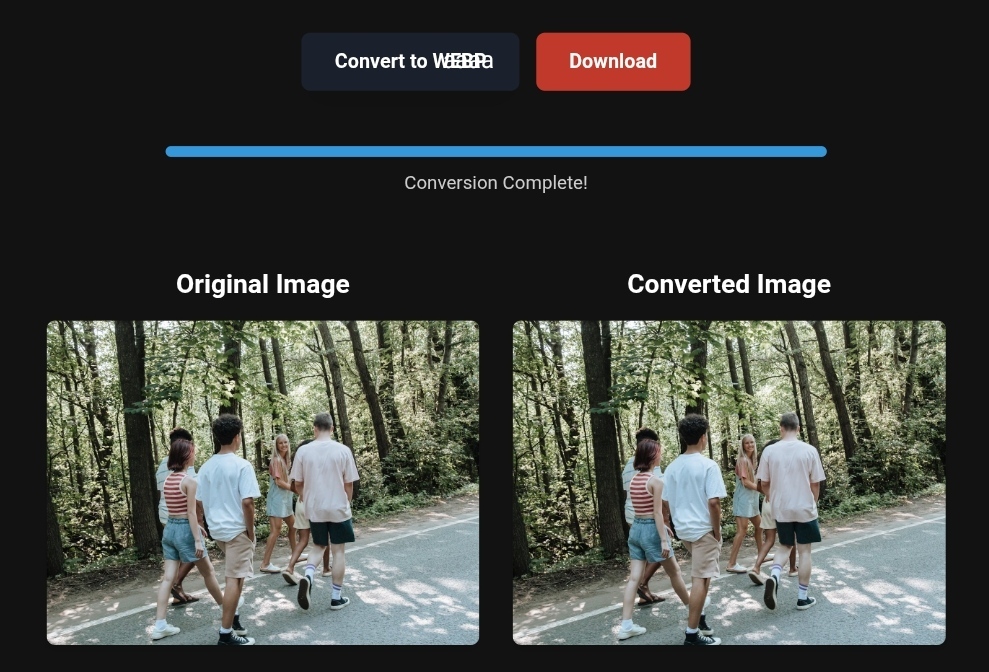
PNG to WebP conversion for faster web performance.
How Travel Images Contribute to Building Destination Reputation: A Comprehensive Optimization Guide for 2026
Did you know that 75% of modern web pages are made up of images? In the travel and tourism sector, where booking decisions heavily rely on visual appeal, a travel image becomes the “first ambassador” for a destination. But what if these images are slow to load, distorted, or lead to a poor user experience? This is where the critical role of image optimization comes in—not just for improving SEO, but for building a strong, sustainable reputation for travel destinations.
In this comprehensive guide, we will explore how smart strategies for image conversion and compression, using techniques such as converting PNG to WebP and image optimization for tourism, can make a real difference in your travel website’s performance and enhance travelers’ trust in your destination.
Why Image Optimization Matters for Travelers and Destination Owners
Before diving into technical details, let’s understand the direct relationship between optimized images and destination reputation. When a traveler searches for a hotel or a tourist attraction, the first thing that grabs their attention is the images. But if these images are slow to load, unclear, or cause page “shaking” during loading, the indirect message sent is: “We are not professional enough.”
According to recent data, slow page loading is the second leading cause of travelers abandoning their bookings. This means that unoptimized images could cost you a potential customer. Moreover, Google uses key user experience signals, known as Core Web Vitals, which directly affect your search ranking.
To better understand the impact of image optimization, let’s break it down into three core pillars:
1. Enhancing User Experience (UX) and Reducing Bounce Rates
Today’s traveler seeks speed and clarity. If your destination’s website runs smoothly and displays images of rooms and beaches quickly with excellent quality, it builds trust. On the contrary, heavy images that take extra seconds to load will push visitors to leave and look for another destination.
2. Boosting Your SEO Ranking
Google is very clear about this: Core Web Vitals are official ranking signals. This means that a tourism website with optimized images (small file sizes and high quality) will get prioritized in search results over competitors who neglect this aspect.
3. Making Content Accessible Across Devices and Networks
Browsing is no longer limited to desktops. Over 40% of travel bookings are made via mobile devices. If you’re using large, uncompressed images, performance on 3G or 4G networks will be disastrous, severely damaging your destination’s reputation as a “modern and accessible” choice.
Practical Tips for Travel Image Conversion: From PNG to WebP and Beyond
So, how do we move from theory to practice? Here are several practical steps based on Google’s latest 2026 recommendations for optimizing tourism images.
1. Adopt Modern Formats: WebP and AVIF
PNG and JPEG formats have long been the standard, but they’re no longer the best choice for the web. Converting PNG to WebP can reduce file sizes by 25% to 35% without noticeable loss in quality. The newer AVIF format offers even better compression, up to 50% better than JPEG.
Why does this matter for your reputation? Lighter files load faster, and a fast website is seen as more professional and trustworthy.
2. Use “Lazy Loading” Smartly
Travelers visiting your homepage don’t need to load 50 high-resolution images of the city all at once. By using the lazy loading feature (loading=”lazy”), you can delay the loading of images not visible on the screen (lower down the page) until the user scrolls to them. This greatly improves LCP (Largest Contentful Paint), which is the time it takes for the largest visible content to load.
- Pro Tip: Never use lazy loading for the main LCP image at the top of the page (e.g., the hero image), as this would delay its appearance.
3. Prioritize Loading with Fetch Priority
In the 2026 environment, you have a powerful new tool: fetchpriority. You can tell the browser which images are “most important” to load first. For the images representing your destination’s front, add the following property:
<img src="beach-front.jpg" fetchpriority="high" alt="Resort Beachfront">
This ensures that the browser gives this image top priority, speeding up its appearance and enhancing user interaction.
4. Avoid Page Shaking (CLS)
Have you ever been reading about a hotel, only for the page to suddenly jump as an ad or image loads late? This is called Cumulative Layout Shift (CLS), and it negatively affects the destination’s reputation as it gives users a sense of instability and unprofessionalism. The solution is simple: always define width and height for images in your HTML code, or use the modern CSS property aspect-ratio to allocate space for the image before it loads.
Step-by-Step Guide for Converting and Optimizing Travel Images
If you manage a tourism website or travel blog and want to apply what you’ve learned, here’s a daily action plan using ToolloopAI and helpful tools:
- Analyze Current Performance: Use tools like PageSpeed Insights or Lighthouse to identify existing issues with your site.
- Batch Convert Image Formats: Upload your collection of tourism images (JPEG/PNG) to an AI-powered image conversion platform like ToolloopAI to convert them to WebP or AVIF all at once.
- Smart Compression: Don’t just convert; compress images as well. Aim for a perfect balance between high quality and a file size no larger than 200KB for standard images.
- Add Metadata: Don’t forget alt text. This is a great opportunity to improve SEO (e.g., “Aerial view of Red Sea resort”), and it’s also essential for the visually impaired.
- Monitor Performance Indicators: After applying these changes, monitor improvements in LCP and CLS. Any improvement in these metrics means more booking opportunities and a better reputation for your destination.
What Image Conversion Tools Can’t Do (And What You Need to Know)
While AI-powered tools and conversion platforms offer a nearly magical solution, there are practical limits you need to be aware of:
- They Can’t Fix Poor Original Images: If an image is blurry or poorly lit, no conversion tool can make it look professional. Optimization improves performance, but it doesn’t perform miracles visually.
- You Need a Strategy: Just converting files to WebP isn’t enough. You must understand when to use
srcsetto serve different sizes for different devices (mobile vs. desktop). - Security and Privacy: Ensure that you use trusted tools (like ToolloopAI.com) that guarantee the privacy of your images, especially if they showcase properties or exclusive spaces not yet published.
Based on the accurate data provided, we can identify the ideal criteria for selecting the best companies that meet travelers’ needs. The goal is not just to choose an average service, but to find one that ensures a smooth and comfortable journey with minimal issues. Explore now some leading options offering exceptional services, specifically designed to provide full comfort and support for travelers, transforming your experience into an unforgettable journey.
✅Embark on Your Next Adventure with Viator and Start an Unforgettable Journey
Enjoy exceptional travel experiences with Viator, the perfect platform for discovering tours, activities, and adventures around the world. Whether you’re looking for a private tour in new york or an enriching cultural experience, Viator offers everything you need, complete with high-quality images and detailed information to help you savor every aspect of your adventure. With Viator, your dream destinations are just a step away—start your journey now and create memories that will last a: https://www.viator.com/New-York-City/d687-ttd?pid=P00293733&mcid=42383&medium=link
✅Are you ready to take your business to the next level? Whether you’re an entrepreneur, small business owner, or digital marketer, there are smart tools that can turn your ideas into real profits!
By integrating high-quality images with a reliable platform like Spocket, you can transform your dropshipping store into a premium shopping experience, increasing your chances of real profits. Don’t waste time searching for complicated solutions—try Spocket now and start offering professional images for your products to ensure your success!
👉 Check supplier requirements on Spocket: https://get.spocket.co/e8z1port3g11
✅Related Technology: High-Quality Image Capture
If you’re working on digitizing old photos or creating digital assets from film negatives, starting with high-quality scans ensures your final optimized images retain maximum detail.
👉 Check the 22MP Slide Scanner on AliExpress: https://s.click.aliexpress.com/e/_c4VFbg55
Products are chosen independently by us. Purchases made through our links may earn us a commission at no additional cost to you.
Frequently Asked Questions About Travel Image Optimization
Q: What’s the best image format for travel websites in 2026?
A: WebP is currently the best format due to its compatibility with almost all browsers (over 97%) and excellent compression. AVIF is the future, but it’s still less widely supported, so it’s best to use it with a WebP fallback.
Q: Does image compression affect the quality of display for the client?
A: Smart compression (Lossless or High-quality Lossy) maintains 99% of the original quality while reducing the size significantly. The goal is to remove unnecessary metadata and repetitions, not make the image pixelated.
Q: How do I know if my site’s slowness is due to images?
A: Use Lighthouse in Chrome browser. If the report shows that LCP (Largest Contentful Paint) is an image and it’s loading slowly, it’s a direct sign that image optimization is needed.
Q: What do Core Web Vitals, LCP, and CLS mean?
A: These are metrics introduced by Google to measure user experience:
- LCP: Load time for the largest content (should be under 2.5 seconds).
- INP: Site’s response time to clicks (should be under 200ms).
- CLS: Page stability (should be under 0.1).
About ToolloopAI
At ToolloopAI.com, we understand that a picture is worth a thousand words, and in the world of tourism, it could be worth thousands of dollars. We specialize in generating and optimizing images using AI, providing you with the tools necessary to transform your ordinary travel photos into high-performance, fast-loading, SEO-optimized digital assets. Whether you’re a travel blogger, a tourism agent, or a booking platform, our solution provides comprehensive services for image compression and conversion at the highest quality. Visit our website to experience the difference for yourself.
Conclusion
Building a travel destination’s reputation in the digital age is no longer just about the beauty of the location—it extends to how that beauty is presented to travelers on their screens. Travel images are the bridge between a traveler’s dream and their actual booking. By employing image conversion strategies, adopting modern formats like PNG to WebP, and adhering to Google’s Core Web Vitals, you’re not only optimizing your SEO but also building a strong reputation based on trust, professionalism, and speed.
Invest in your images, because they’re not just files—they are your destination’s permanent ambassador.
Nasser Al-Arif | Founder and Lead Expert at ToolloopAI.com
Specializing in AI-driven image generation and optimization for websites and anyone wanting to use high-quality images for any activity. Visit www.toolloopai.com.
For more information on how tourism image conversions impact sales, be sure to check out our comprehensive guide on Lossless Image Conversions. You can also discover more tips on optimizing travel destination images and turning them into prime booking opportunities for your tours here: https://www.toolloopai.com/the-role-of-images-in-showcasing-the-cultural-diversity-of-tourist-destinations/
One Comment