Captivating Travel Photos: The Key to Attracting New Visitors
Captivating Travel Photos: The Key to Attracting New Visitors
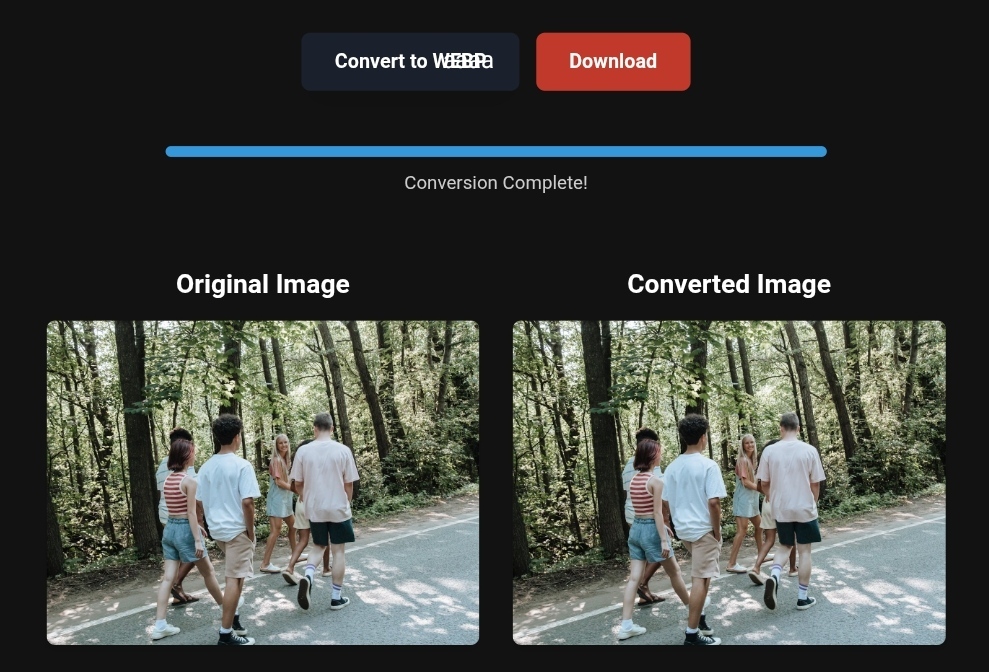
Highlighting the importance of converting image formats like WebP/PNG/JPEG/PDF/SVG/AVIF for seamless, high-speed tourism content.
In today’s fast-paced digital world, a picture isn’t just worth a thousand words—it’s worth thousands of bookings. For travelers browsing through Google Discover, social media, or travel blogs, captivating tourism photos are the primary trigger for decision-making. However, stunning visuals are wasted if they load slowly or appear distorted on mobile devices. This is where image optimization for tourism listings becomes the secret weapon. By leveraging trending keywords and smart conversion strategies, you can transform heavy PNG files into lightweight WebP assets, ensuring your travel content stands out. This guide offers actionable, people-first insights to help you master image conversion, boost page speed, and ultimately attract new visitors—organically and effectively.
Why Image Optimization Matters for Travelers
Travelers expect instant gratification. When researching a dream vacation, they click on photos of beaches, hotels, or landmarks expecting them to load in an instant. If your images are slow, they’ll leave. Google’s 2026 Core Web Vitals update confirms it: Largest Contentful Paint (LCP) directly impacts rankings, and unoptimized images are the number one cause of poor LCP scores.
But performance is only part of the equation. Optimized images also enhance clarity, color accuracy, and responsiveness across devices. A well-compressed WebP image can look identical to a PNG but load 30% faster. For tourism businesses—hotels, tour operators, travel bloggers—this translates into lower bounce rates and higher engagement. When you prioritize image conversion for tourism ads, you respect the traveler’s time and needs, providing a seamless experience that mirrors the ease they expect from their journey. In short, image optimization builds trust, and trust leads to bookings.
Practical Tips for Converting Travel Photos
You don’t need to be a developer to optimize your travel gallery. Start with these simple, high-impact tips:
- Always Convert PNG to WebP for Tourism Listings: While PNGs offer high quality, they can be large in size. WebP provides superior compression with no visible loss of quality. Use a reliable tool to batch-convert your gallery.
- Compress Images Without Losing Quality: Tools like ToolloopAI allow you to adjust compression levels. For hero images (e.g., a sunset over Santorini), use 80-85% quality. For thumbnails, aim for 60%.
- Resize Before Uploading: A 4000x3000px image is too large for an 800px wide blog column. Resize it first, then compress.
- Use Responsive Formats (AVIF/SVG): SVG is ideal for logos or icons. For photos, AVIF provides even better compression than WebP, though WebP remains the most universally compatible option in 2026.
- Descriptive Filenames & Alt Text: Rename DSC04523.jpg to eiffel-tower-sunset-paris.jpg. Write alt text that naturally describes the scene, helping visually impaired travelers and improving SEO.
Before vs. After – The Real Impact of Image Optimization
Let’s look at a real-world example. A travel agency’s landing page for a Maldives package originally featured 12 PNG images, averaging 2.5 MB each. The total page weight: 30 MB. Load time on 4G: 8.5 seconds. Bounce rate: 68%.
After converting all images to WebP and compressing them to an average of 450 KB each:
- Total page weight: 5.4 MB (82% reduction)
- Load time: 1.9 seconds
- Bounce rate: 32%
- Booking inquiries: +40% in 30 days
This isn’t magic—it’s math. Faster pages keep tourists engaged. Clear, crisp images that load instantly create a subconscious sense of professionalism and reliability. Conversely, blurry or slow-loading images signal neglect, driving potential visitors straight to competitors. The difference in results before and after image optimization is measurable, visible, and immediate.
Step-by-Step Guide to Converting Travel Images
Follow this simple workflow to optimize any travel photo for the web in 2026:
Step 1: Choose Your Source Image
Start with the highest resolution available (JPEG, PNG, or even RAW). You’ll compress it later.
Step 2: Select the Right Output Format
- WebP: Best for 95% of travel photos (scenery, hotels, food).
- AVIF: For cutting-edge performance on modern browsers.
- JPEG: Only for older compatibility needs.
- SVG: For maps, icons, or text-based graphics.
Step 3: Use a Reliable Converter (e.g., ToolloopAI)
Upload your image. Select WebP as the output format. Adjust the quality to 80%. Run the conversion.
Step 4: Compress Further (Optional)
If the WebP file is still >200 KB for a standard blog image, run it through a compression tool again. WebP can be compressed losslessly.
Step 5: Rename and Add Alt Text
Filename: bali-rice-terrace-aerial.webp
Alt Text: “Aerial view of green rice terraces in Ubud, Bali, with mist rising in the morning.”
Step 6: Test on Mobile
Use Google’s Mobile-Friendly Test or PageSpeed Insights. Aim for LCP under 2.5 seconds.
What Image Conversion Tools Cannot Do
While tools like ToolloopAI are powerful, they have some limitations. Understanding these helps set realistic expectations:
- They cannot fix blurry originals: If your source image is out of focus or poorly lit, no conversion will save it. Start with good photography.
- They cannot replace proper responsive design: Converting to WebP is not enough. You still need srcset attributes to serve different sizes for different screens.
- They cannot add missing context: A tool won’t write your alt text or choose the right filename. That’s your job as a content creator.
- They cannot guarantee perfect color accuracy: Some formats (like WebP) handle color profiles slightly differently. Always review critical brand or skin-tone images after conversion.
- They are not a substitute for CDN: Image conversion reduces file size, but a Content Delivery Network (CDN) reduces physical distance. Use both for best results.
Real-World Example – Travel & Business Success
✅Experience the #1 Travel Platform for Unforgettable Journeys!
Embark on Your Next Adventure with Viator and Start an Unforgettable Journey
Enjoy exceptional travel experiences with Viator, the perfect platform for discovering tours, activities, and adventures around the world. Whether you’re looking for a private tour in new york or an enriching cultural experience, Viator offers everything you need, complete with high-quality images and detailed information to help you savor every aspect of your adventure. With Viator, your dream destinations are just a step away—start your journey now and create memories that will last a: https://www.viator.com/New-York-City/d687-ttd?pid=P00293733&mcid=42383&medium=link
✅Related Technology: High-Quality Image Capture
If you’re working on digitizing old photos or creating digital assets from film negatives, starting with high-quality scans ensures your final optimized images retain maximum detail.
👉 Check the 22MP Slide Scanner on AliExpress: https://s.click.aliexpress.com/e/_c4VFbg55
✅Are you ready to take your business to the next level? Whether you’re an entrepreneur, small business owner, or digital marketer, there are smart tools that can turn your ideas into real profits!
By integrating high-quality images with a reliable platform like Spocket, you can transform your dropshipping store into a premium shopping experience, increasing your chances of real profits. Don’t waste time searching for complicated solutions—try Spocket now and start offering professional images for your products to ensure your success!
👉 Check supplier requirements on Spocket: https://get.spocket.co/e8z1port3g11
Products are chosen independently by us. Purchases made through our links may earn us a commission at no additional cost to you.
Frequently Asked Questions
- What is the best image format for travel websites in 2026?
WebP remains the safest and most compatible choice. AVIF is great for supported browsers, but always provide a WebP fallback. - Does converting PNG to WebP reduce quality?
It can, but modern WebP encoders at 80-85% quality produce visually identical results to PNG at a fraction of the size. For most tourism photos, you won’t notice a difference. - How much can I compress a travel photo without ruining it?
Aim for 100-200 KB for inline blog images, and 30-50 KB for thumbnails. Use a tool that shows a live preview. If artifacts appear, reduce compression. - Do I need to optimize images for mobile separately?
Yes. Use responsive images with srcset. Serve a 750px wide WebP for mobile, and a 1500px version for desktop. - Are free online converters safe for travel agency photos?
Many are safe, but some resell or misuse uploaded images. Always use a trusted tool with clear privacy policies. ToolloopAI processes images locally or with ephemeral storage.
About ToolloopAI
At ToolloopAI, we believe every traveler deserves a fast, beautiful, and frustration-free online experience. Founded by experts in AI-driven media optimization, our platform specializes in converting, compressing, and enhancing images for websites, travel blogs, tourism boards, and individual creators. Whether you need to convert PNG to WebP, reduce a PDF portfolio, or generate AVIF files from JPEGs, ToolloopAI provides one-click tools designed for real people—not just developers. We prioritize privacy, speed, and quality, helping you turn casual browsers into booked visitors. Visit www.toolloopai.com to start optimizing your travel gallery today.
Conclusion
Captivating travel photos are your strongest asset in attracting new visitors—but only if they perform as well as they look. In a competitive tourism environment, speed, clarity, and accessibility are non-negotiable. By converting PNGs to WebP, intelligently compressing images, and following the practical steps outlined here, you align with the traveler’s intent and Google’s 2026 standards. You’ll reduce bounce rates, improve Core Web Vitals, and convert more lookers into bookers. Start small: optimize your top ten landing page images this week. Measure the difference. Then scale. Your next visitor is just one fast-loading, stunning photo away.
Author Bio:
Nasser Al-Areef | Founder & Lead Expert at toolloopai.com. Specializes in AI-powered image generation and optimization for websites and for all individuals seeking high-quality photos for any activity. Visit www.toolloopai.com.
For more information on how tourism image conversions impact sales, be sure to check out our comprehensive guide on Lossless Image Conversions. You can also discover more tips on optimizing travel destination images and turning them into prime booking opportunities for your tours here: https://www.toolloopai.com/images-tourist-destinations-in-the-21st-century/
One Comment