
The Best Photography Techniques That Attract Tourists
The Best Photography Techniques That Attract Tourists and Influence Their Choices
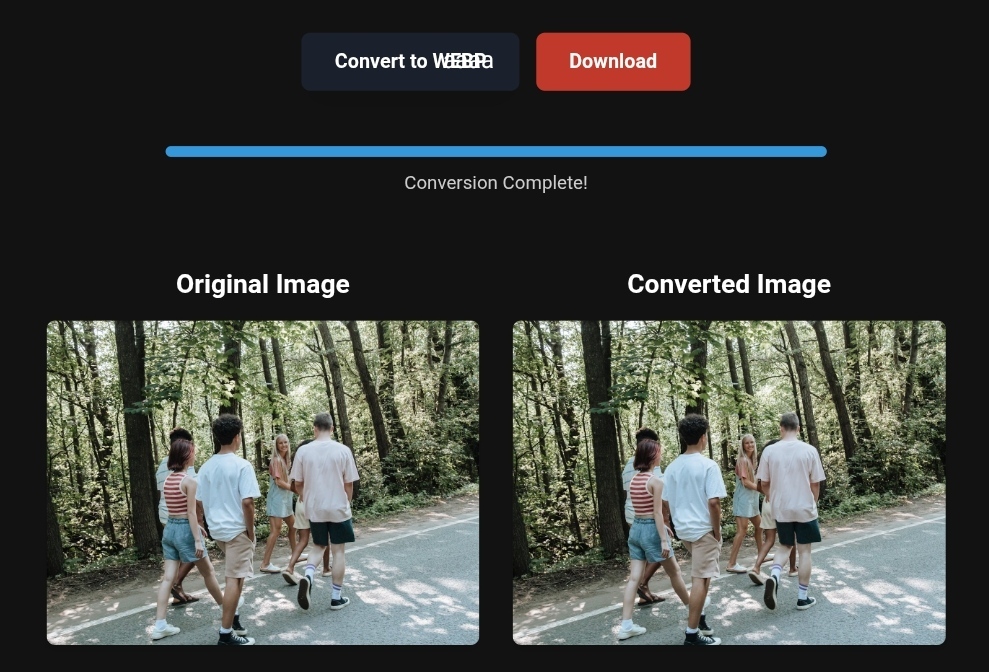
convert image png To Webp free fast
In today’s digital world, the first thing a potential tourist sees is the image of a destination, hotel, or tour—this visual impression can make or break their decision. Stunning, high-quality images don’t just capture attention; they ignite wanderlust, inspire adventure, and influence the travel choices of millions. Whether you’re promoting a tourist destination or showcasing an exclusive travel experience, understanding the best photography techniques can significantly increase your chances of attracting tourists and boosting bookings.
Why Quality Content Matters: The Fundamentals
To stand out in the competitive travel industry, your content must be more than just visually appealing. Here are the key principles that should guide your approach to creating travel content:
1. Content That Speaks to Travelers
- Prioritize Readability and User Intent: When creating content, always focus on your audience’s needs. Travel content must be engaging, easy to digest, and tailored to provide useful information that travelers actively seek.
- Deliver What Travelers Want: Ensure that your content aligns with what users are searching for. Whether it’s tips on photo optimization, the best photography gear for travel, or strategies for faster-loading travel photos, the content must meet the traveler’s intent.
- Fresh, Original Insights: Avoid generic content. Offer fresh ideas, photography tips, and useful advice to help travelers optimize their photos and capture better travel memories.
2. Expertise and Authority in Photography
- Become a Trusted Guide: Your content should present expert insights and practical advice. Build authority by offering actionable steps to help travelers improve their photography, from choosing the right angles to optimizing images for faster loading on websites.
- Focus on Image Optimization for Travelers: As travel content becomes more competitive, the importance of high-quality images is more apparent than ever. Share strategies on how to make the most of each shot, using the best photography tools and image formats that will captivate and convert potential tourists.
3. Build Trust and Credibility
- Use Credible Sources: Reference trusted experts and resources when discussing photography tips or trends in the travel industry. Accuracy is key, and your readers will trust you more if you back up your advice with reliable information.
- Maintain Precision: Avoid exaggerations. Stay true to what can be realistically achieved, especially when promoting photography techniques and tools.
4. SEO and Optimization
- Natural, Seamless SEO: Keywords should flow naturally within your content. Don’t force keywords into your text; allow them to blend with the narrative for better readability.
- Clear Structure: Organize your article with engaging headlines, subheadings, and short, easy-to-read paragraphs. A well-structured piece enhances user experience and makes it easier for tourists to find exactly what they need.
- Technical SEO: Use schema and structured data to make your content discoverable by search engines. This ensures that your article is easily found by travelers searching for relevant travel photography tips.
5. User Experience is Key
- Fast Loading Speed: Make sure your content loads quickly. Travelers browsing potential destinations and tours want instant access to information. Slow-loading pages will frustrate users and result in higher bounce rates.
- Mobile Optimization: Since most travelers browse and book their trips on mobile devices, ensure your content looks great on smartphones and tablets. Optimize images and content for mobile to keep users engaged.
6. Avoid Common Pitfalls
To ensure your content stands out and delivers value to readers, here are a few practices to avoid:
- Keyword Stuffing: Overusing keywords can harm readability. Keep it natural.
- AI Content Without Human Review: While AI can be helpful, it’s important to review and polish any AI-generated content to ensure accuracy and relevance.
- Shallow Content: Don’t rehash what’s already been said. Go deeper, providing your audience with unique and helpful information.
- Misleading Titles: Your titles should always be accurate and give a true representation of the content. Clickbait titles can hurt your credibility.
How to Attract Tourists With Stunning Photography
Now that we know the importance of content quality and optimization, let’s dive into practical tips for using photography to attract tourists and boost engagement.
Why Image Optimization is Essential for Travelers
In today’s fast-paced digital world, travelers are looking for quick, seamless experiences. If your travel photos load slowly or appear blurry, you’re losing potential customers. Optimized images ensure that your visuals not only look good but also load quickly, offering a better user experience and improving your chances of converting visitors into customers.
Practical Tips for Transforming Travel Photos
- Convert PNG to WebP: WebP is a modern image format that provides superior compression without sacrificing quality. Converting PNG images to WebP can drastically reduce file size and improve page load times.
- Image Compression for Faster Load Times: Compressing images while maintaining quality helps reduce the load time on websites. This is crucial for travelers who are browsing on mobile devices, where speed is a top priority.
Before and After: The Impact of Optimized Photos
The difference between unoptimized and optimized photos is striking. When you compress an image or convert it to a more efficient format, you significantly improve the user experience. Visitors will appreciate faster load times, and the images will appear clearer and more professional. This can increase engagement and conversions.
Step-by-Step Guide to Image Transformation
- Convert PNG to WebP for high-quality, lightweight images.
- Use Formats Like WebP, JPEG, or AVIF for visually stunning travel photos.
- Optimize Mobile-Friendly Images to ensure they look great on all devices.
Mobile Optimization: A Must for Travelers
Since a large portion of travel bookings is made on mobile devices, it’s essential to make sure your images are optimized for smartphones and tablets. Images that look great on desktops may not always appear well on smaller screens. Use responsive images that automatically adjust to the device, ensuring travelers have a seamless experience.
The Limitations of Free Image Conversion Tools
While free tools are great for basic image optimization, they often come with limitations, such as lower image quality or limited formats. Before relying on them for high-end tourism content, be aware of these limitations and consider investing in paid, professional tools for better results.
Real-World Example – Travel & Business Success
✅Experience the #1 Travel Platform for Unforgettable Journeys!
✅Embark on Your Next Adventure with Viator and Start an Unforgettable Journey
Enjoy exceptional travel experiences with Viator, the perfect platform for discovering tours, activities, and adventures around the world. Whether you’re looking for a private tour in new york or an enriching cultural experience, Viator offers everything you need, complete with high-quality images and detailed information to help you savor every aspect of your adventure. With Viator, your dream destinations are just a step away—start your journey now and create memories that will last a: https://www.viator.com/New-York-City/d687-ttd?pid=P00293733&mcid=42383&medium=link
✅Related Technology: High-Quality Image Capture
If you’re working on digitizing old photos or creating digital assets from film negatives, starting with high-quality scans ensures your final optimized images retain maximum detail.
👉 Check the 22MP Slide Scanner on AliExpress: https://s.click.aliexpress.com/e/_c4VFbg55
✅Are you ready to take your business to the next level? Whether you’re an entrepreneur, small business owner, or digital marketer, there are smart tools that can turn your ideas into real profits!
By integrating high-quality images with a reliable platform like Spocket, you can transform your dropshipping store into a premium shopping experience, increasing your chances of real profits. Don’t waste time searching for complicated solutions—try Spocket now and start offering professional images for your products to ensure your success!
👉 Check supplier requirements on Spocket: https://get.spocket.co/e8z1port3g11
Products are chosen independently by us. Purchases made through our links may earn us a commission at no additional cost to you.
FAQs: Your Top Image Optimization Questions Answered
- How can I optimize images without losing quality?
- The best way is to use formats like WebP or AVIF, which provide high-quality images with smaller file sizes.
- What’s the best way to compress images for websites?
- Use tools like toolloopai.com to compress your images without sacrificing clarity.
- How does image optimization impact user experience?
- Faster loading images improve engagement, decrease bounce rates, and increase conversions.
About ToolloopAI
ToolloopAI is dedicated to enhancing travel photos through AI-powered image optimization tools. Whether you’re a travel blogger, tour operator, or hotel marketer, we help you transform your images into captivating visuals that attract tourists and increase bookings.
Conclusion: Image Optimization is Key to Captivating Tourists
In the world of travel marketing, images are everything. Optimizing your photos not only improves the user experience but also boosts engagement and conversion rates. By following the tips outlined above and utilizing the best photography techniques, you can ensure that your visuals stand out and help you attract more tourists.
Author Bio
Nasser Al-Areef | Founder and Lead Expert at ToolloopAI.com. Specializing in AI-powered image enhancement for websites and travel content creators. Visit www.toolloopai.com.
For more information on how tourism image conversions impact sales, be sure to check out our comprehensive guide on Lossless Image Conversions. You can also discover more tips on optimizing travel destination images and turning them into prime booking opportunities for your tours here: https://www.toolloopai.com/travel-images-how-to-turn-imagination-into-reality/
One Comment