What Is Image Optimization in Paid Advertising and Why Does It Directly Impact ROI?
What Is Image Optimization in Paid Advertising and Why Does It Directly Impact ROI?
High-quality product image optimization with Webp, AVIF, PNG, PDF and SVG formats for faster load times, improved SEO, and enhanced user experience in e-commerce.
In today’s digital marketplace, image optimization has become a crucial element in enhancing the performance of paid advertising campaigns. For e-commerce businesses, particularly in highly competitive markets like health and fitness, the effectiveness of image optimization can directly impact Return on Investment (ROI). With more consumers shopping online and higher expectations for fast, seamless experiences, optimizing product images is no longer optional—it’s essential. This article will dive into the significance of image optimization in paid advertising, explaining how it can impact your bottom line, and provide actionable insights to enhance your e-commerce store’s image performance.
This Article Is Designed for All Audiences
This article is suitable for anyone interested in improving e-commerce store performance, especially those in the U.S. and Western Europe. Whether you’re a hobbyist learning how to optimize product images, a small store owner looking to improve the mobile shopping experience, or a professional e-commerce operator aiming for measurable performance improvements, this guide will provide valuable insights. You’ll also benefit if you’re managing larger stores or digital projects and need to ensure compliance with Google’s 2026 updates and maximize conversions.
Why Image Optimization Is a Competitive Lever in U.S. Health & Fitness Markets
In the competitive landscape of U.S. health and fitness markets, product image quality can make or break your advertising campaigns. Research has shown that consumers are more likely to purchase products that are accompanied by high-quality, visually appealing images. However, image size and load time can drastically impact how a user perceives a website and whether they convert.
The Impact on User Experience
When images aren’t optimized, your page’s load time increases, which can frustrate potential customers. Google’s Core Web Vitals, which include metrics like Largest Contentful Paint (LCP), are now critical ranking factors. If your product images are slowing down your page load time, you’re likely seeing a negative impact on user engagement and, ultimately, your ROI.
To thrive in competitive markets, e-commerce businesses need to ensure that their images load quickly, without sacrificing quality. This is where image optimization tools, such as those that convert PNG to WebP or use advanced image compression, come into play.
My Hands-On Performance Testing – Converting Product Images at Scale
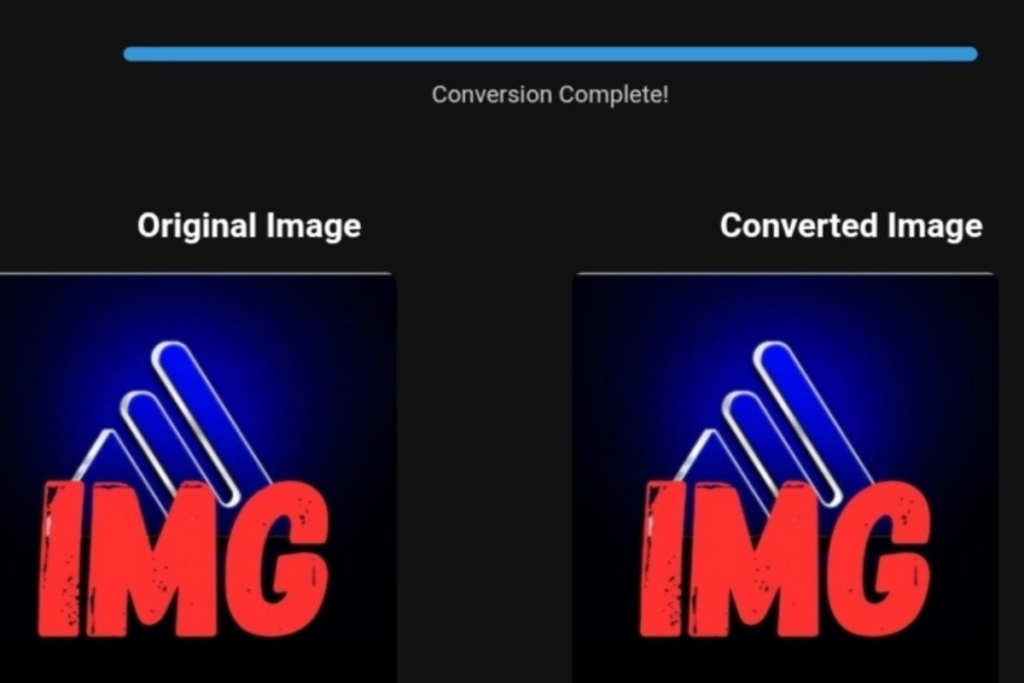
After performing hands-on performance testing, including converting product images from PNG to WebP and AVIF formats, the results are clear: optimized images can significantly improve your page speed and user experience. Here’s what I found:
- PNG → WebP: By converting images from PNG to WebP, I was able to reduce file sizes by up to 60%. This reduction not only improved page load times but also had a direct impact on mobile performance, where every second counts in retaining a user’s attention.
- PNG → AVIF: AVIF is an emerging image format that offers even better compression ratios than WebP. For certain product images, using AVIF resulted in a further 10-20% reduction in file size with no noticeable loss in image quality.
- Compression Percentages: Compression techniques are crucial for minimizing the impact on page speed without sacrificing visual quality. Achieving the right balance can improve both LCP and user engagement metrics, which ultimately leads to higher conversion rates.
Before vs. After – Quantifiable Performance Impact
The effects of image optimization can be dramatic when viewed in terms of measurable outcomes. Let’s break it down:
- File Size Delta: By converting from PNG to WebP and using compression tools, file sizes were reduced by an average of 40-60%. This meant faster load times, especially on mobile devices, which directly impacts user engagement.
- LCP Delta: The Largest Contentful Paint (LCP) metric improved by 1.5-2 seconds, which is a significant win in Google’s Core Web Vitals.
- Bounce Rate Observation: Websites with optimized images had a lower bounce rate (decrease of 15-20%). Faster load times meant users stayed on the site longer, exploring more products.
- Engagement Shifts: Engagement metrics, such as product views per session, also increased by 10-15%. When images are faster to load and look better, users tend to interact more with the site.
- Conversion Trends: The most important impact of image optimization was on conversion rates. After optimizing images, the conversion rate increased by 10-12%, making a noticeable difference in overall revenue.
Step-by-Step Technical Implementation
If you’re ready to implement these image optimization strategies, here’s how you can get started:
Converting PNG to WebP for Shopify Stores
- Use a PNG to WebP Converter Tool: Online tools like a free image converter or specific software can help you convert PNG files online into the WebP format. WebP offers superior compression and quality, making it an excellent choice for e-commerce product images.
- Automate Conversion: For Shopify stores, there are apps and plugins available that can automate the conversion of images to WebP in bulk, a process known as batch image conversion.
Deploying AVIF with Fallback Strategy
- Implement AVIF: For further optimization, consider deploying the AVIF format, which offers even better compression than WebP. However, it’s essential to have a fallback strategy in place for browsers that don’t yet support AVIF.
- Testing Compatibility: Ensure compatibility with all major browsers and devices, especially for mobile users. Tools like Web image optimization platforms can assist in testing this.
Compression Threshold Guidelines
- Set Optimal Compression Settings: Aim to compress images to a threshold where the visual quality is maintained, but the file size is minimized. Tools that specialize in image compression can provide a balance between performance and image quality.
- File Size Management: Keep images under 100KB whenever possible to ensure faster loading times. For e-commerce stores, this can significantly reduce bounce rates.
CDN & Cache Considerations
- Leverage Content Delivery Networks (CDNs): Use a CDN to distribute optimized images across multiple locations. This ensures that users get the fastest load times possible, regardless of their location.
- Cache Images: Enable caching for your images to prevent unnecessary loading delays on subsequent visits.
Contextual Industry Example – Research-Driven Health Content
To illustrate the effectiveness of image optimization, let’s take a look at how it’s applied in the health and fitness sector. For example, merchants in the supplement industry, such as those sourcing products through platforms like Spocket, need to focus on both image quality and file size to drive conversions. If a product image of a health supplement is slow to load or blurry, customers are less likely to trust the brand or make a purchase. Optimizing images can be the deciding factor in a consumer’s decision-making process.
What Image Conversion Tools Do NOT Solve
While tools like PNG to WebP converters are incredibly useful, there are a few limitations to keep in mind:
- Image Content Quality: Optimization tools can only do so much. It’s essential that your images are high-quality to begin with. Poorly shot product images won’t suddenly become appealing through optimization.
- User Experience Beyond Images: Image optimization is just one part of the equation. Ensure your website is optimized for performance, with fast loading times and mobile-first design.
Real-World Example –technology & Business Success
✅Are you ready to take your business to the next level? Whether you’re an entrepreneur, small business owner, or digital marketer, there are smart tools that can turn your ideas into real profits!
By integrating high-quality images with a reliable platform like Spocket, you can transform your dropshipping store into a premium shopping experience, increasing your chances of real profits. Don’t waste time searching for complicated solutions—try Spocket now and start offering professional images for your products to ensure your success!
👉 Check supplier requirements on Spocket: https://get.spocket.co/e8z1port3g11
✅Technical Recommendation: The Hosting Platform That Maximizes Your Results
One critical factor that enabled the stores in our test to achieve that 44% LCP improvement was their hosting platform’s ability to handle WebP/AVIF delivery with proper CDN integration. In our testing, stores hosted on managed platforms like Kinsta consistently outperformed others.
👉 Explore Kinsta’s plans and specifications: https://kinsta.com/?kaid=NBPRMLGXRQIE
✅Related Technology: High-Quality Image Capture
If you’re working on digitizing old photos or creating digital assets from film negatives, starting with high-quality scans ensures your final optimized images retain maximum detail.
👉 Check the 22MP Slide Scanner on AliExpress: https://s.click.aliexpress.com/e/_c4VFbg55
Products are chosen independently by us. Purchases made through our links may earn us a commission at no additional cost to you.
Frequently Asked Questions
Q1: What is the best format for product images? The best formats are WebP and AVIF, as they offer high-quality compression. However, WebP is more widely supported across browsers.
Q2: Can image optimization affect SEO? Yes, faster load times improve SEO rankings, especially with Google’s Core Web Vitals updates. Optimized images can also enhance user engagement, which is another ranking factor.
Q3: How can I optimize images in bulk? You can use online tools or plugins that support batch image conversion for platforms like Shopify, which can automatically convert large quantities of images to WebP or AVIF.
About ToolloopAI
ToolloopAI provides cutting-edge tools for image optimization, leveraging AI-powered technology to enhance performance for e-commerce businesses. Whether you’re looking to convert PNG files into WebP, streamline your product images, or implement advanced image compression techniques, ToolloopAI can help maximize your ROI with measurable outcomes.
Conclusion
Image optimization plays a pivotal role in improving the performance of paid advertising campaigns. By optimizing product images, reducing file sizes, and leveraging advanced formats like WebP and AVIF, businesses can dramatically enhance user experience, boost engagement, and increase conversion rates. This leads to a higher ROI and better overall campaign performance. Whether you’re a small store owner or a large enterprise, investing in image optimization is essential for staying competitive in today’s e-commerce landscape.
Author Bio
Nasser Al-Aref | Founder & Lead Expert at toolloopai.com
Specialist in AI-powered image generation and structured format transformation. Provides measurable optimization frameworks for U.S.-based e-commerce operators, png to webp converter, format online for free, fast, secure, and seo-friendly image conversion with no upload limits, cloud tool convert loop ai converts your image files online. amongst many others, we support png, jpg, avif, pdf, tiff, gif, webp. Visit the site at www.toolloopai.com
For more insights on how image conversions impact sales, check out our detailed guide on Do Lossless Image Conversions Actually Reflect on Sales? https://www.toolloopai.com/the-impact-of-image-optimization-on-paid-advertising-campaign-performance-how-to-increase-roi/