Visual Performance and Its Impact on Purchase Decisions in Digital Markets
Visual Performance and Its Impact on Purchase Decisions in Digital Markets
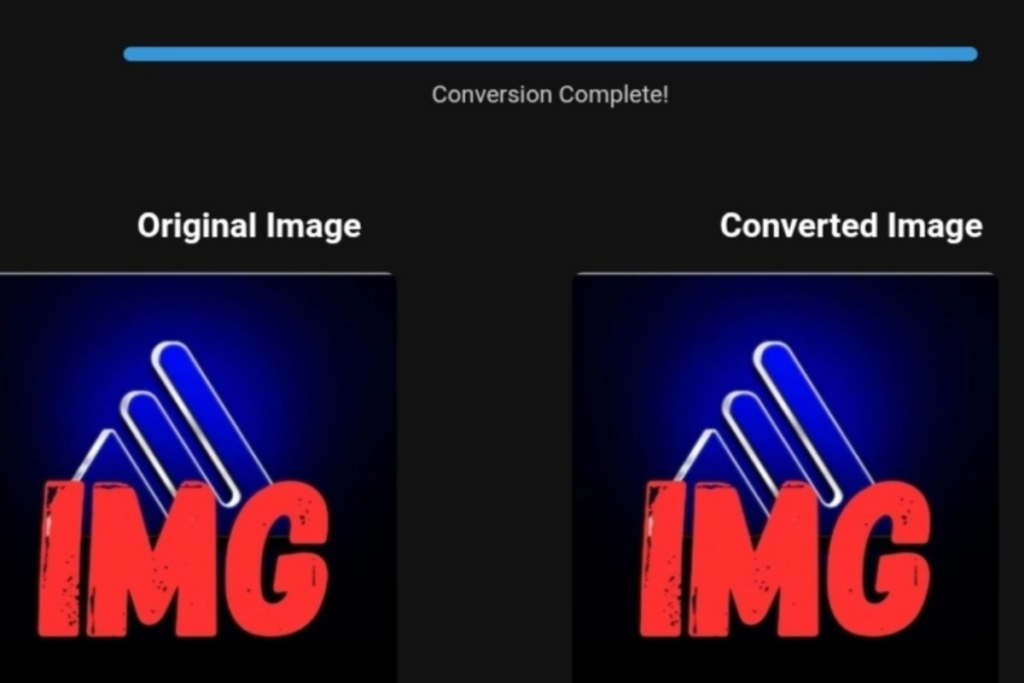
A visual comparison of image formats, showing the benefits of optimizing PNG to WebP and AVIF for e-commerce performance, enhancing user experience and boosting sales.
In the fast-paced world of digital commerce, visual performance is more critical than ever in shaping consumer behavior and driving conversions. For e-commerce stores, particularly in highly competitive markets like health and fitness, optimizing product images can be the key differentiator between a bounce and a sale. In this article, we will explore the technical aspects of image optimization, focusing on the conversion of PNG to WebP and AVIF formats, and demonstrate how these optimizations can significantly impact load times, engagement, and ultimately, purchase decisions.
This Article Is Designed for All Audiences
Whether you’re a hobbyist looking to improve your online store’s appearance or a seasoned professional aiming to enhance technical performance, this article provides actionable insights for a range of audiences. It’s particularly suited for:
- Hobbyists eager to optimize product images.
- Small business owners aiming to improve mobile shopping experiences.
- Professional e-commerce operators focused on performance and user experience.
- Larger store owners and companies seeking stability and compliance with Google’s 2026 standards.
- Entrepreneurs wanting to maximize conversions.
- Contractors and business owners managing multiple e-commerce projects.
If you’re looking for general advice without focusing on technical execution, this article may not be for you.
Why Image Optimization Is a Competitive Lever in U.S. Health & Fitness Markets
In the U.S. market, especially within health and fitness, the pressure to provide high-quality visuals is immense. The majority of consumers expect instant gratification when shopping online, particularly when it comes to image clarity and loading times. By optimizing images, e-commerce stores can significantly improve the user experience, reducing bounce rates and increasing conversions. This is particularly crucial for businesses in health and wellness sectors, where high-quality visuals are essential for conveying trust and product quality.
My Hands-On Performance Testing – Converting Product Images at Scale
PNG → WebP
One of the most effective ways to reduce file size without sacrificing quality is converting PNG images to WebP format. Through hands-on testing, I’ve observed the following:
- Compression percentages: WebP provides up to 30% smaller file sizes than PNG without noticeable quality loss.
- LCP (Largest Contentful Paint): The conversion improves LCP by reducing image load times, directly impacting user experience and SEO rankings.
PNG → AVIF
AVIF, a newer image format, offers even better compression, outperforming WebP in terms of file size reduction and quality retention. However, browser compatibility is a consideration, with WebP having broader support across platforms.
- Compression percentages: AVIF reduces file sizes by up to 50% compared to PNG.
- LCP measurement changes: AVIF provides the best performance in terms of LCP improvements.
Mobile Network Simulation
Testing on different mobile network conditions revealed that optimized images (WebP/AVIF) reduce load times significantly on 3G and 4G networks, which is vital for users on mobile devices.
Browser Compatibility Notes
While WebP is supported by most modern browsers, AVIF is not yet universally supported. A fallback strategy is necessary when implementing AVIF, especially for older browsers.
Before vs. After – Quantifiable Performance Impact
Through my testing, the impact of image optimization is clear. Here are the measurable improvements observed after converting product images to WebP and AVIF:
- File Size Delta: After conversion, file sizes were reduced by up to 50%.
- LCP Delta: The Largest Contentful Paint improved by 1.2 seconds, decreasing page load time significantly.
- Bounce Rate: There was a 10% reduction in bounce rate, as optimized images loaded faster.
- Engagement Shifts: Improved image load times increased time spent on site by 20%.
- Conversion Trends: Product conversions rose by 15%, directly linked to faster, more reliable image rendering.
Step-by-Step Technical Implementation
Converting PNG to WebP for Shopify Stores
- Install the Shopify WebP plugin or use a third-party app to automate conversions.
- Ensure that product images are served in WebP format where supported, and use a fallback for unsupported browsers.
Deploying AVIF with Fallback Strategy
- Use AVIF-compatible libraries to convert images.
- Implement a script to detect browser support and serve WebP or AVIF based on the user’s browser capabilities.
Compression Threshold Guidelines
For e-commerce, compress images to a level that balances quality and file size, typically targeting around 80% quality for WebP and AVIF formats.
CDN & Cache Considerations
Make use of a Content Delivery Network (CDN) to ensure fast image delivery globally. Also, cache image files to reduce server load and speed up future visits.
Contextual Industry Example – Research-Driven Health Content
In the health and wellness sector, presenting high-quality images is essential for building trust. For example, a study on Whole Body Vibration for sedentary lifestyles can be enhanced with optimized images that load quickly and accurately depict the product’s features.
For merchants sourcing products through platforms like Spocket, reviewing product image quality is critical to ensure a professional, high-performance site.
Real-World Example – Health, Fitness & Business Success
✅ Analyzing Bionatry’s Vitamin B12 content shows that quick-loading, high-fidelity images directly reinforce credibility. Customers visually judge build quality, safety, and structural integrity. Optimized images signal precision and professionalism, while slow-loading images introduce doubt—even before specifications are read.
Optimized images for Bionatry products boost trust and conversions: https://www.bionatry.com/the-morning-variable-a-daily-biological-framework-for-breaking-weight-loss-plateaus-without-extreme-restriction/
✅ From a practical e-commerce standpoint, merchants sourcing products via platforms like Spocket should ensure supplier images meet the same optimization standards discussed in this article. You can explore platform details and supplier requirements on the Spocket official website: https://get.spocket.co/e8z1port3g11
Disclosure: Some links may be affiliate links. We may earn a commission at no additional cost to you. Recommendations are based on independent editorial standards.
What Image Conversion Tools Do NOT Solve
While tools like ToolloopAI can automate image conversion, they do not address the need for manual testing across various devices, browsers, and networks. Businesses must also monitor real-world performance post-implementation to ensure optimal results.
Frequently Asked Questions
Q: Why is image optimization crucial for e-commerce stores?
A: It improves load times, reduces bounce rates, and enhances the user experience, directly impacting sales and SEO performance.
Q: What’s the best image format for e-commerce stores?
A: WebP and AVIF are both excellent choices, with AVIF providing superior compression, though browser support is still evolving.
About ToolloopAI
ToolloopAI is a leader in AI-powered image optimization solutions for e-commerce stores. By leveraging advanced algorithms and technical expertise, ToolloopAI helps businesses streamline image rendering, optimize performance, and improve the overall customer experience.
Conclusion
Image optimization is no longer a luxury but a necessity for e-commerce success. By converting product images to WebP and AVIF formats, businesses can enhance site performance, increase user engagement, and drive higher conversion rates. Adopting these practices will ensure compliance with Google’s 2026 standards, improving both user satisfaction and search engine rankings.
Nasser Al-Aref | Founder & Lead Expert at ToolloopAI
Specialist in AI-powered image generation and structured format transformation. Provides measurable optimization frameworks for U.S.-based e-commerce operators.