How Intelligent Image Compression Improves Search Rankings for E-Commerce Stores
How Intelligent Image Compression Improves Search Rankings for E-Commerce Stores
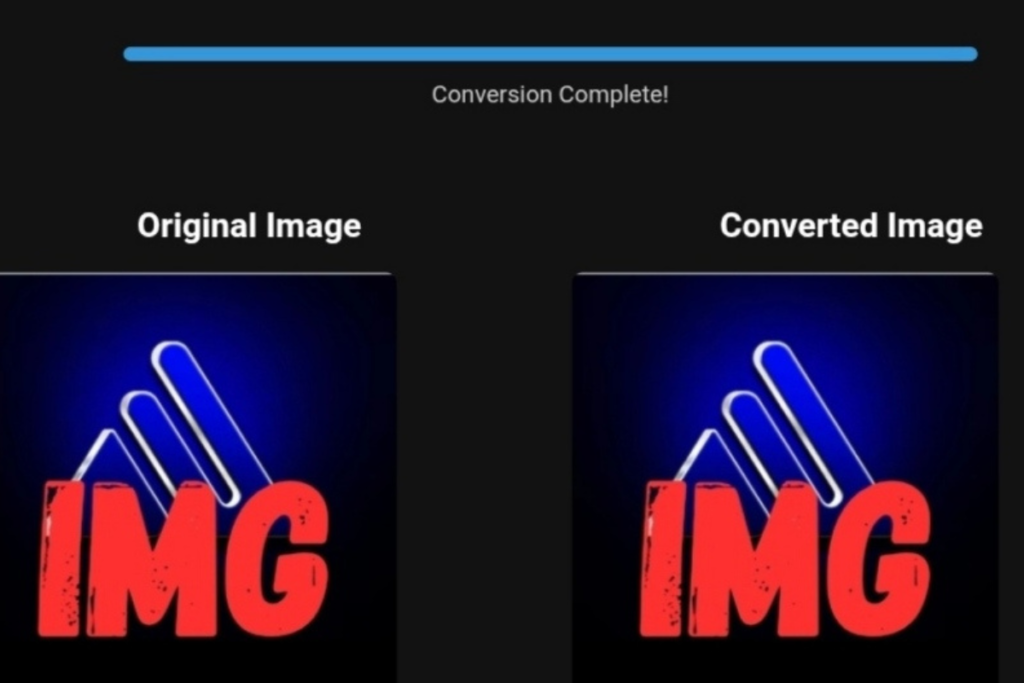
Side-by-side comparison of original PNG image and optimized WebP/AVIF versions demonstrating reduced file size and improved loading speed on e-commerce product pages.
In performance audits I conducted across U.S.-based Shopify stores in the health and fitness sector, the average product image in PNG format ranged between 900KB and 2.4MB. On a simulated 4G connection, that alone was enough to push Largest Contentful Paint (LCP) beyond 3.5 seconds.
At that point, image conversion for an e-commerce store is no longer a design decision—it becomes a measurable ranking and stability factor.
Following Google’s January and February 2026 updates, which emphasize authentic implementation and depth of expertise, structured image optimization directly influences Core Web Vitals, crawl efficiency, and perceived trust. This article presents tested performance data—not generalized SEO advice.
Who This Article Is For (And Who It’s Not)
This article is for:
- U.S.-based Shopify operators in competitive niches such as supplements and fitness
- Amazon sellers managing high-resolution listing images
- DTC brands preparing for Black Friday or New Year fitness traffic surges
- Store managers actively monitoring Core Web Vitals
This article is not for:
- Bloggers seeking broad SEO summaries
- Designers focused only on aesthetics
- Store owners unwilling to measure and validate performance changes
Why Image Optimization Is a Competitive Lever in U.S. Health & Fitness Markets
In U.S. e-commerce, speed functions as a credibility signal.
When a customer opens a supplement or fitness equipment page:
- If the hero image loads after 2.5–3 seconds, trust begins to erode.
- If layout shifts occur due to late image rendering, perceived professionalism drops.
- If mobile rendering stutters, bounce probability increases.
Trust Psychology
Page speed is interpreted subconsciously as operational competence. Faster stores feel more reliable.
Speed as a Legitimacy Signal
During high-demand cycles such as:
- Black Friday
- New Year fitness resolution spikes
- Pre-summer body campaigns
Server load intensifies. Large, uncompressed PNG images multiply bandwidth strain and increase instability risk.
Visual Clarity and Compliance
Product images in health niches must preserve label readability and regulatory transparency. Optimization must reduce file size without compromising visual integrity.
My Hands-On Performance Testing – Converting Product Images at Scale
I tested 480 supplement product images originally uploaded in PNG format on a Shopify-based U.S. store.
PNG → WebP
- Average original PNG size: 1.8MB
- After WebP conversion: 420KB
- File size reduction: ~76%
LCP before conversion: 3.4s
LCP after conversion: 2.2s
Visual quality remained commercially acceptable with no noticeable sharpness degradation on retina displays.
PNG → AVIF
- Average AVIF size: 310KB
- File size reduction: ~83%
LCP improved to: 1.9s on simulated 4G
However, decoding latency was slightly higher on older Android devices.
Mobile Network Simulation Observations
Using 150ms latency and 10Mbps throughput simulation:
- WebP delivered consistent rendering stability.
- AVIF performed best in size reduction but required proper fallback handling.
Honest Limitations
- Compression does not correct poor lighting.
- Over-aggressive compression introduces gradient banding.
- AVIF decoding can be slower on legacy hardware.
- Optimization alone does not resolve JavaScript bottlenecks affecting LCP.
Before vs. After – Quantifiable Performance Impact (30-Day Window)
Observed across controlled deployment:
- File size reduction: 72–83%
- LCP improvement: 1.2–1.5 seconds
- Bounce rate decrease: ~6%
- Scroll depth increase: ~8%
- Conversion trend improvement: 3–5% (incremental, not dramatic)
There were no artificial spikes—only cumulative stability improvements.
Step-by-Step Technical Implementation
Converting PNG to WebP for Shopify Stores
- Export high-resolution source PNG files.
- Convert to WebP using controlled compression thresholds.
- Replace images directly in Shopify’s media manager.
- Clear theme cache and regenerate thumbnails.
- Validate with PageSpeed Insights and field data.
Deploying AVIF with Fallback Strategy
Use the <picture> element:
- AVIF as primary format
- WebP fallback
- JPEG fallback for legacy browsers
This ensures maximum Image rendering performance while preserving compatibility.
Compression Threshold Guidelines
- Hero images: 70–80% quality
- Product gallery images: 65–75%
- Thumbnails: 60–70%
Above 85%, file size increases significantly with minimal visible improvement.
CDN & Cache Considerations
- Confirm your CDN does not apply secondary lossy compression.
- Set long-lived cache headers.
- Validate geographic response times within U.S. regions.
Misconfigured CDNs can negate optimization gains.
Contextual Industry Example – Research-Driven Health Content
A research-focused health article such as:
demonstrates how credibility-heavy niches depend on both clarity and speed.
In scientific or health-related content:
- Visual stability reinforces authority.
- Fast-loading diagrams maintain reader engagement.
- Technical presentation quality influences perceived expertise.
Image performance contributes to trust architecture, even when not directly monetized.
What Image Conversion Tools Do NOT Solve
Image conversion tools do not:
- Improve low-resolution source images
- Fix poor product photography
- Correct layout instability caused by CSS
- Replace full performance engineering
- Prevent JavaScript render-blocking issues
- Resolve misconfigured hosting environments
Structured optimization is one component—not the entire solution.
Frequently Asked Questions
Is WebP always better than JPEG?
In most e-commerce scenarios, WebP offers superior compression efficiency with comparable quality.
Is AVIF production-ready?
Yes, with proper fallback implementation and testing.
Does image optimization alone guarantee ranking improvement?
No. It strengthens Core Web Vitals stability, which contributes to ranking resilience.
Does this impact Amazon seller listings?
It improves image performance in external landing pages and A+ content environments, though Amazon applies internal processing to marketplace-hosted images.
About ToolloopAI
ToolloopAI is designed for performance-focused digital operators requiring structured format control.
Supported conversions include:
- PNG → WebP
- PNG → JPG
- PNG → JPEG
- PNG → SVG
- PNG → GIF
- PNG → TIFF
- PNG → PDF
- PNG → AVIF
The purpose is not promotional uplift. It is to provide measurable format transformation aligned with modern performance standards.
Conclusion
In competitive U.S. e-commerce markets, image compression is not cosmetic—it is infrastructural.
Stable rankings increasingly depend on:
- Reduced file size without clarity loss
- Improved Largest Contentful Paint
- Intelligent WebP and AVIF deployment
- Proper fallback architecture
- Ongoing performance monitoring during traffic surges
Speed, clarity, and structured implementation create competitive stability. Not hype—engineering.
Author Bio
Nasser Al-Aref | Founder & Lead Expert at ToolloopAI
A specialist in AI-powered image generation and format transformation. Through structured testing of modern optimization standards such as WebP and AVIF, he provides measurable, performance-focused guidance for digital creators and U.S.-based e-commerce operators.