Visual User Experience: How Image Optimization Reduces Bounce Rate and Increases Conversions
Visual User Experience: How Image Optimization Reduces Bounce Rate and Increases Conversions
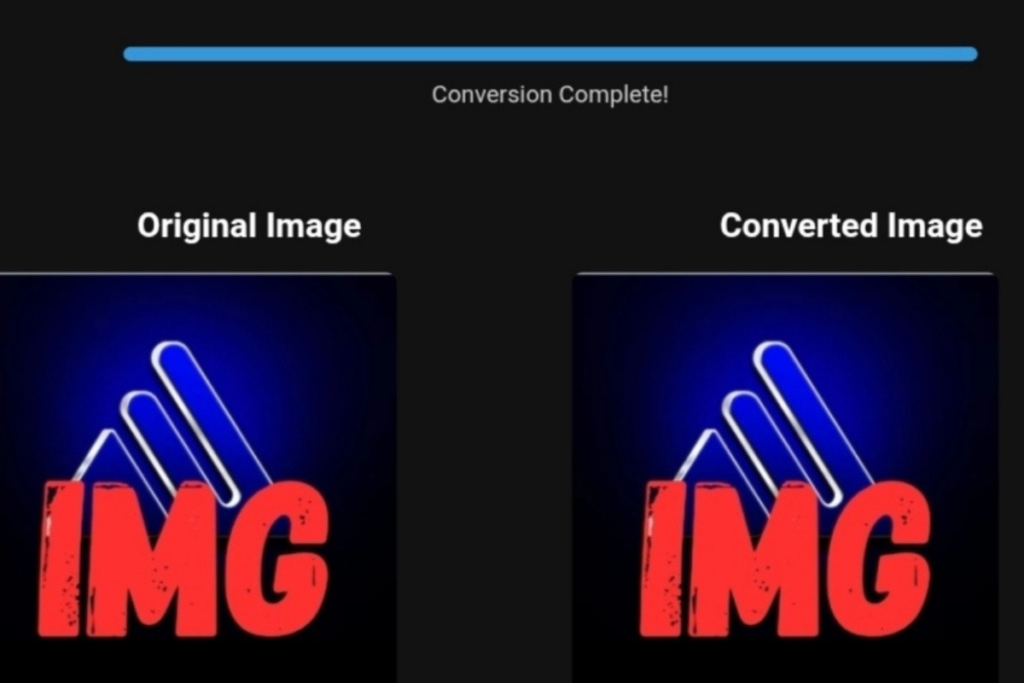
Comparison of original PNG and optimized WebP/AVIF images showing faster loading, improved clarity, and better visual performance on e-commerce product pages.
In today’s digital economy, visual performance plays a critical role in user retention, search visibility, and revenue growth. Whether you manage a personal blog, a niche fitness brand, a small Shopify store, or a large enterprise e-commerce platform, image optimization directly impacts how users experience your website.
Oversized PNG and JPEG files slow down page loading, disrupt layout stability, and increase bounce rates. Conversely, modern image formats such as WebP and AVIF significantly reduce file size while preserving visual quality, creating faster and more stable user experiences.
This article explores how visual user experience influences behavioral metrics and explains how structured image optimization strategies can improve both SEO performance and conversions.
Why Image Performance Directly Affects Bounce Rate
Bounce rate is often the result of technical friction rather than poor content.
Performance research published by confirms that users are highly sensitive to loading delays. Even minor slowdowns increase abandonment rates — especially on mobile devices.
Common image-related performance issues include:
- Large, uncompressed PNG files
- Improperly sized hero images
- Lack of lazy loading
- Layout shifts during rendering
- Excessive cumulative page weight
When pages feel slow or unstable, users leave before interacting. In e-commerce environments, this directly reduces add-to-cart rates and completed purchases.
Modern Image Formats: Moving Beyond JPEG and PNG
Traditional image formats remain widely used, but they are no longer optimal for performance-focused websites.
WebP
Developed by , WebP offers:
- Smaller file sizes compared to JPEG and PNG
- Support for both lossy and lossless compression
- Transparency support
- Strong browser compatibility
WebP has become a standard for performance-oriented websites due to its balance between compression efficiency and visual clarity.
AVIF
AVIF represents the next generation of image compression. It provides:
- Superior compression ratios
- High dynamic range support
- Reduced bandwidth consumption
- Improved quality retention at smaller sizes
For e-commerce platforms managing hundreds or thousands of product images, AVIF significantly reduces total page weight, improving loading speed and scalability.
SEO Implications of Image Optimization
Search engines evaluate user experience signals alongside content relevance.
Core Web Vitals — including Largest Contentful Paint (LCP) and Cumulative Layout Shift (CLS) — are directly influenced by image size and loading behavior. Performance guidelines from emphasize the importance of minimizing visual instability and improving rendering speed.
Proper image optimization contributes to:
- Faster indexing
- Improved mobile rankings
- Better Page Experience scores
- Reduced crawl inefficiencies
- Higher organic visibility
For online stores and content publishers, optimized visuals strengthen both technical SEO and user engagement.
Conversion Psychology and Visual Trust
Users form impressions within seconds. High-quality visuals that load quickly create subconscious signals of professionalism and reliability.
Optimized images contribute to:
- Faster interaction cycles
- Reduced frustration
- Increased dwell time
- Higher engagement rates
- Improved conversion potential
This applies broadly to:
- Bloggers and independent creators
- Affiliate marketers
- Health and fitness brands
- Small and medium businesses
- Large retail operations
Image optimization is not merely a technical adjustment — it is a strategic growth lever.
Intelligent Image Conversion at Scale
Manual compression tools are inefficient for growing digital platforms. Modern workflows require automated and scalable solutions.
Platforms such as ToolLoopAI enable structured conversion from PNG and JPEG to WebP and AVIF without visible quality degradation. These systems help:
- Maintain visual consistency
- Reduce server load
- Improve global content delivery performance
- Support high-volume product catalogs
- Simplify integration with CMS platforms
By automating image conversion pipelines, businesses improve performance without sacrificing design integrity.
Performance Principles Across Industries
Efficiency-driven optimization is not limited to digital infrastructure. In wellness and performance sciences, platforms such as Bionatry emphasize metabolic efficiency and systemic optimization to improve human outcomes.
The same principle applies to websites: eliminating unnecessary weight improves overall performance. When digital systems become more efficient, engagement increases and conversions follow naturally.
Who Should Prioritize Image Optimization?
Image optimization benefits:
- E-commerce entrepreneurs
- Small and large retail stores
- Health and fitness brands
- Affiliate publishers
- SaaS platforms
- Agencies managing multiple client websites
- Content creators monetizing traffic
Any digital property that relies on visuals can benefit from structured optimization.
Practical Implementation Checklist
To reduce bounce rate and increase conversions:
- Convert PNG and JPEG files to WebP or AVIF
- Enable lazy loading for below-the-fold images
- Compress without visible quality loss
- Define explicit width and height attributes
- Implement a Content Delivery Network (CDN)
- Audit performance using PageSpeed Insights
- Continuously monitor Core Web Vitals
Sustained performance improvements require consistent auditing and optimization.
Conclusion
Visual user experience is directly tied to bounce rate, search rankings, and revenue growth. In competitive markets, image optimization is no longer optional — it is essential.
Modern formats like WebP and AVIF offer measurable improvements in speed, efficiency, and scalability. Structured image conversion workflows allow creators, brands, and enterprises to enhance performance while maintaining visual quality.
Optimized visuals represent one of the most cost-effective ways to improve digital performance, user trust, and long-term conversions.
Author Bio
Nasser Al-Aref | Founder & Lead Expert at ToolloopAI
A specialist in AI-powered image generation and format transformation. Through hands-on testing of modern optimization standards such as WebP and AVIF, he provides practical, performance-driven guidance for digital creators and e-commerce operators. His focus is on measurable improvements in speed, clarity, and conversion efficiency.
