The Ultimate Guide to Image Format Conversion: JPG, PNG, and WebP — Mastering the Right Choice for Performance and SEO
Introduction: Why Image Format Mastery Is Your Digital Linchpin
In the digital ecosystem , an image is far more than a decorative element; it is a pivotal component of user experience, a critical determinant of website performance, and a silent yet powerful contributor to search engine rankings and conversion metrics. The exponential growth of visual content online, coupled with increasingly stringent user expectations for speed and quality, has elevated image optimization from a technical afterthought to a core strategic imperative. Whether you manage a bustling e-commerce platform, a content-driven blog, a sophisticated SaaS application, or a portfolio website, the choice of image format directly influences loading times, visual fidelity, bandwidth consumption, and ultimately, your bottom line.
The advent of artificial intelligence has revolutionized this domain, transforming complex optimization tasks into streamlined, intelligent processes. At the forefront of this revolution is toolloopai.com, a cutting-edge platform that demystifies image format conversion through AI-powered precision. This comprehensive guide will delve into the intricacies of JPG, PNG, and WebP formats, provide clear guidelines on when to deploy each one, and demonstrate how leveraging a platform like ToolloopAI aligns with and accelerates the most critical web performance and SEO trends of today and tomorrow.
This article is meticulously crafted for visibility, targeting essential SEO keywords such as image format conversion, JPG vs PNG vs WebP, convert images online free, WebP converter AI, optimize images for SEO 2025, and AI image optimization tools.
Understanding the Anatomy of Image Formats: The Bedrock of Digital Optimization
Before embarking on conversion strategies, a foundational understanding of image formats is crucial. Each format is essentially a different method of encoding visual data, balancing compression techniques, color depth, transparency, and metadata. This balance dictates its ideal use case. The three dominant formats in the modern web landscape are JPG, PNG, and the increasingly essential WebP.
Intelligent conversion, as facilitated by ToolloopAI, is not merely about changing a file extension; it’s about strategically transitioning visual assets into the most efficient container for their intended purpose, a non-negotiable step for a successful website that balances aesthetics with performance.
JPG (JPEG): The Unrivaled Workhorse for Photography and Realistic Imagery
What Is JPG?
JPG,developed by the Joint Photographic Experts Group, is arguably the most ubiquitous image format on the internet. Its longevity and widespread adoption stem from its effective use of lossy compression. This method significantly reduces file size by selectively discarding data deemed less perceptible to the human eye, particularly in photographs with smooth color gradients.
Key Advantages and Strengths of JPG
· Superior Compression for Photos: Delivers remarkably small file sizes for complex, detailed images like photographs, making it ideal for web use.
· Universal Compatibility: Supported by every browser, operating system, image viewer, and editing software in existence, ensuring flawless display.
· Performance-Friendly: Smaller files equate to faster downloads, reduced server load, and improved page load times—a direct ranking signal for search engines.
· Flexible Quality Control: Allows adjustment of compression levels, offering a tunable balance between file size and perceived quality.
Inherent Limitations of JPG
· No Transparency Support: Cannot accommodate alpha channels, meaning no transparent backgrounds. Images are always rectangular.
· Generational Quality Loss: Each successive edit and save cycle can introduce further compression artifacts, degrading quality over time.
· Poor for Text and Graphics: The lossy compression can blur sharp edges, making it suboptimal for screenshots, logos, or images with text overlays.
Strategic Use Cases: When to Convert to or Use JPG on ToolloopAI
Leverage the JPG format via toolloopai.com when:
· Publishing photography, product shots, or artwork with rich color variations.
· Page speed is a paramount concern for content-heavy sites like blogs or news platforms.
· You need to balance visual appeal with efficient bandwidth usage for mobile users.
· Images are final and unlikely to require multiple rounds of future editing.
The platform’s intelligent JPG conversion allows you to fine-tune compression, ensuring you reap the performance benefits without sacrificing crucial visual appeal, a core principle for modern digital success.
PNG: The Champion of Precision, Transparency, and Lossless Quality
What Is PNG?
PNG(Portable Network Graphics) emerged as a superior, patent-free alternative to older formats and uses lossless compression. This means it compresses image data without sacrificing a single pixel of original quality, perfectly reconstructing the image upon decompression.
Key Advantages and Strengths of PNG
· Perfect Pixel Preservation: Ideal for images that require exact replication, such as technical diagrams, UI elements, or archival graphics.
· Full Transparency Support: Features an alpha channel that supports variable transparency (soft edges, shadows, and gradients), making it indispensable for logos, icons, and overlays.
· Crisp Text and Line Art: Preserves sharp contrasts and edges flawlessly, superior for screenshots, infographics, and text-based images.
· Edit-Friendly: Can be edited and re-saved repeatedly without cumulative quality degradation.
Inherent Limitations of PNG
· Larger File Sizes: The lossless nature often results in files significantly larger than their JPG or WebP counterparts, which can hinder page speed if used indiscriminately.
· Performance Overhead: Using large PNGs for unsuitable purposes (like photographs) can drastically slow down page loads, negatively impacting user experience and SEO.
Strategic Use Cases: When to Convert to or Use PNG on ToolloopAI
The PNG format onToolloopAI is your go-to choice when:
· Your image requires a transparent background (e.g., a logo placed over a website banner).
· You are dealing with graphics containing sharp lines, solid colors, or text (UI buttons, icons, charts).
· Absolute fidelity and the highest quality are non-negotiable, such as in digital art master files.
· You need an intermediate format for multiple editing stages before final export to a web-friendly format.
ToolloopAI provides a vital pathway to convert bulky PNGs to more efficient formats like WebP when transparency is no longer needed, directly addressing the challenge of how to reduce image size without losing quality for non-photographic elements.
WebP: The Modern, Performance-Optimized Format Shaping the Future
What Is WebP?
Developed by Google,WebP is a contemporary image format designed explicitly for the web. It represents a paradigm shift by offering both lossless and lossy compression in a single format, alongside support for transparency (alpha channel) and animation.
Why WebP Is the Undisputed SEO and Performance Trend for 2025
· Unmatched Compression Efficiency: Typically produces files 25-35% smaller than comparable JPGs and up to 50% smaller than PNGs while maintaining similar or better visual quality.
· Versatility: One format can replace both JPG (lossy mode) and PNG (lossless/transparency mode), simplifying asset management.
· Core Web Vitals Supercharger: Directly improves key Google metrics like Largest Contentful Paint (LCP) by accelerating image loading, a major SEO ranking factor.
· Modern Feature Set: Supports advanced features like animation, making it a potential alternative to GIFs for simple motion graphics.
Considerations and Limitations of WebP
· Legacy Browser Gaps: While supported by all modern browsers (Chrome, Firefox, Edge, Safari), very old versions (like Internet Explorer) do not support it. However, fallback strategies using HTML <picture> elements are standard practice.
· Workflow Integration: Requires conversion from original formats, as most cameras and design software do not yet natively export to WebP.
Strategic Use Cases: When to Convert to WebP on ToolloopAI
Adopting WebP viatoolloopai.com is a strategic imperative when:
· Primary Goal is Performance: You are aggressively optimizing for Google PageSpeed Insights, Core Web Vitals, and overall site speed.
· Targeting Mobile Audiences: Reducing data transfer is crucial for users on cellular networks.
· Managing High-Traffic Sites: Smaller image files decrease bandwidth costs and server load.
· Future-Proofing Your Assets: Aligning with the format actively promoted by major browsers and search engines.
ToolloopAI’s AI-driven converter, such as its integrated tool CloydConvert, excels at this task, enabling fast, bulk, and intelligent conversion to WebP, ensuring your site leverages this critical advantage.
JPG vs PNG vs WebP: A Detailed Technical and Practical Comparison
Feature JPG (JPEG) PNG WebP
Compression Type Lossy Lossless Lossy & Lossless
Transparency Not Supported Supported (Alpha Channel) Supported (Alpha Channel)
Typical File Size Small to Medium Large Very Small (vs. JPG/PNG)
Ideal For Photographs, Complex Images Logos, Graphics with Text, Transparency Everything Web (Modern Standard)
Browser Support Universal Universal All Modern Browsers
Impact on Page Speed Good Can be Poor if Misused Excellent
SEO & Core Web Vitals Positive Can be Negative Highly Positive
Edit-Friendly No (Generational Loss) Yes Depends on Mode
This comparison crystallizes why WebP is rapidly becoming the default choice for performance-conscious webmasters and why platforms like ToolloopAI are essential for seamless adoption.
The Indisputable SEO Imperative: Why Format Conversion is a 2025 Ranking Factor
Search engine algorithms, particularly Google’s, have evolved to prioritize user experience above all else. Image optimization sits at the intersection of several critical UX signals:
· Loading Performance: A direct input for Core Web Vitals.
· Mobile Usability: Smaller images improve experience on mobile devices.
· User Engagement: Faster pages reduce bounce rates and increase time-on-site.
· Accessibility: Properly sized and described images contribute to an inclusive web.
Using ToolloopAI to systematically convert your image library to optimized formats like WebP is not a minor tweak; it’s a comprehensive site-wide upgrade that can:
· Elevate search engine rankings.
· Drive increases in organic traffic.
· Lower hosting and CDN expenditures.
· Enhance user satisfaction and conversion rates.
The complete guide to image enhancement in the current year underscores that this process is foundational, not optional.
How ToolloopAI.com Transforms Complex Conversion into an Intelligent Workflow
ToolloopAI distinguishes itself by moving beyond simple format switching to offer context-aware, AI-assisted optimization.
Core Intelligent Features:
· AI-Powered Recommendation Engine: Analyzes uploaded images and suggests the optimal output format and compression settings based on content type (photo, graphic, text) and use case.
· Bulk Processing Capability: Convert entire folders of images in one operation, saving invaluable time for developers and content managers.
· Quality-Preserving Algorithms: Advanced compression ensures the smallest possible file size without perceptible quality loss, answering the perennial question of how to reduce image size effectively.
· Integrated Specialized Tools: Platforms like CloydConvert, accessible via toolloopai.com, offer dedicated, rapid pathways for common tasks like PNG-to-WebP conversion, streamlining specific workflows.
Practical, Real-World Applications and Use Cases
· For Bloggers & Content Creators: Convert original camera JPGs to optimized WebP versions for all blog posts, dramatically improving LCP scores. Use PNG for featured infographics, then convert them to WebP for publication.
· For E-commerce Stores: Process thousands of product photos in bulk from JPG to WebP, speeding up category pages and product galleries. Maintain PNG source files for logos and transparent watermarks.
· For Web Developers & Designers: Optimize all UI asset bundles (icons, buttons) by converting PNGs to WebP, reducing the overall weight of CSS sprites or component libraries.
· For SEO & Digital Marketing Agencies: Implement site-wide image optimization as a service for clients, using ToolloopAI to generate auditable reports showing improvements in page speed and performance metrics.
A Step-by-Step Walkthrough: Converting Images on ToolloopAI.com
The process is designed for maximum efficiency:
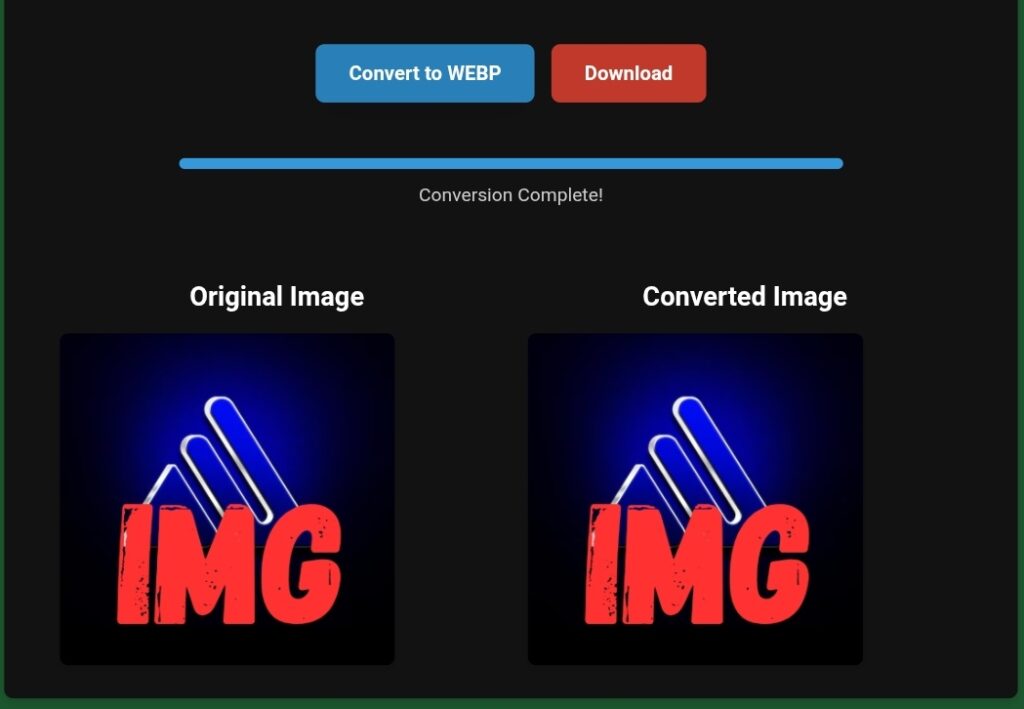
1. Navigate to the relevant converter tool on toolloopai.com (e.g., the general converter or a specialized tool like CloydConvert).
2. Upload your source image(s) via drag-and-drop or file selection.
3. Choose your target output format (WebP, JPG, PNG) or let the AI suggest the best option.
4. Adjust advanced settings if needed (e.g., quality slider, resize dimensions).
5. Initiate Processing. The AI engine analyzes and converts your image in seconds.
6. Download your optimized file or a ZIP archive for bulk jobs.
Pitfalls to Avoid: Common Image Format Missteps
· Using PNG for Photographs: This creates unnecessarily large files. Always use JPG or WebP.
· Serving Legacy Formats Exclusively: Not implementing WebP with proper fallbacks misses a major performance opportunity.
· Ignoring Compression: Uploading straight-from-camera images without any optimization.
· Forgetting Mobile: Not testing how image-heavy pages perform on mobile networks.
ToolloopAI inherently guides users away from these pitfalls through its intelligent design and recommendations.
The Horizon: Future Trends in Image Formats and AI Optimization
Looking beyond , the trajectory points towards:
· AVIF Adoption: The AV1 Image File Format (AVIF) promises even better compression than WebP and will gain broader browser support.
· AI-Generated & Adaptive Imagery: AI will not just optimize but dynamically generate or alter image resolution and composition based on user device and context.
· Deep SEO Integration: Image optimization will become more deeply automated within CMS and hosting platforms, with direct feedback loops to SEO performance dashboards.
· Perceptual Quality Metrics: AI will move beyond technical metrics (file size) to optimize for human perceptual quality scores.
Platforms like ToolloopAI are built on adaptable AI frameworks, positioning them to seamlessly integrate these future advancements as they become mainstream.
Conclusion: Strategic Image Mastery with ToolloopAI
The decision between JPG, PNG, and WebP is a strategic one with tangible consequences for your digital presence. JPG remains a reliable choice for photography, PNG is essential for precision graphics requiring transparency, but WebP stands as the holistic, performance-optimized format for the modern web.
ToolloopAI.com empowers you to navigate this landscape with confidence and ease. It transforms the technical chore of image conversion into an intelligent, strategic advantage. By enabling you to effortlessly convert, optimize, and future-proof your visual assets, it ensures your website is not just keeping pace but setting the standard for speed, quality, and user experience and beyond.
Embrace intelligent optimization. Convert strategically. Lead the performance revolution with toolloopai.com, Begin enhancing your digital assets today by exploring the powerful, integrated tools available on their platform.