The Role of Images in Showcasing the Cultural Diversity of Tourist Destinations
📸 The Role of Images in Showcasing the Cultural Diversity of Tourist Destinations: A 2026 Guide to Image Optimization for Travelers and Travel Platforms
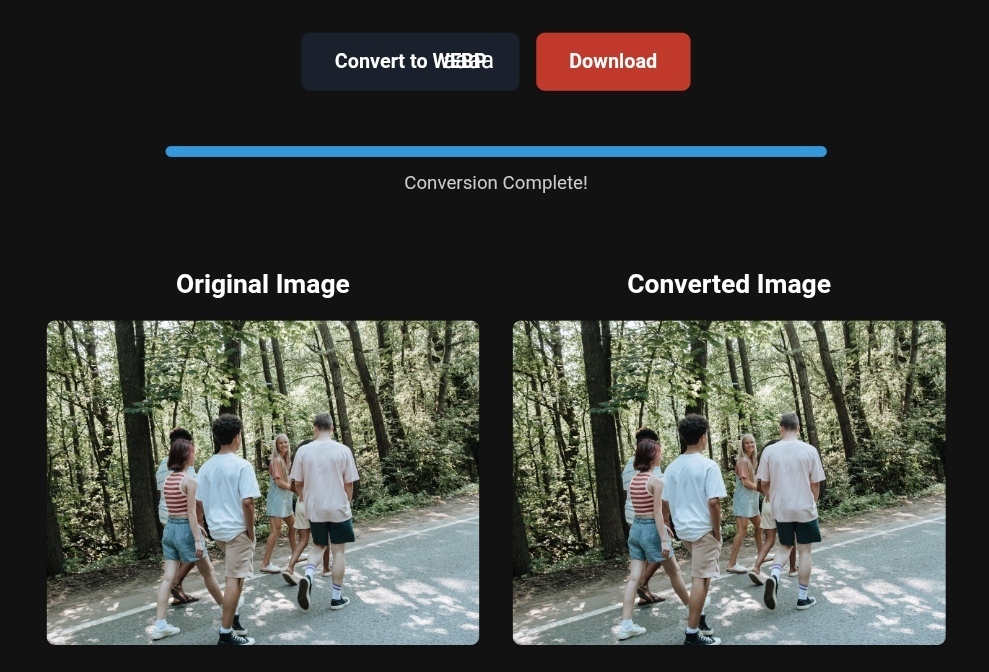
Vibrant travel photo showcasing cultural diversity in a tourist destination.
Have you ever tried to upload a stunning travel photo to your blog or booking site, only to be frustrated by slow load times or poor image quality? Converting PNG to WebP for tourist images is no longer just a technical option—it’s a must in 2026. Images are the window through which travelers glimpse the cultures of the world before setting foot on foreign soil. In this guide, we take you on a journey to discover how image optimization can reflect the beauty of cultural diversity, with practical tips for converting and compressing images to make them faster, more appealing, and aligned with the latest Google standards.
🌍 Why Image Optimization Matters for Travelers and Tourist Websites?
In the tourism industry, a picture is worth a thousand dreams. When a traveler searches for their next destination, the first thing that catches their eye is vibrant images that capture the spirit of the place. However, here’s the catch: high-quality images typically mean large file sizes, which leads to slower page load times. Google studies show that 53% of mobile site visitors abandon a page if it takes longer than 3 seconds to load.
This is where image compression for tourism listings and performance optimization come into play. Imagine you’re running a hotel booking site or a platform showcasing tour packages. Your images are the first impression customers have. If they load slowly or appear blurry, the site quickly loses credibility.
Here are some reasons why image optimization is crucial for the tourism sector:
- Loading Speed Affects Bookings: Fast websites see higher conversion rates. According to Core Web Vitals, the Largest Contentful Paint (LCP) should happen within the first 2.5 seconds of a page load.
- Mobile Experience: Today’s travelers plan their trips via smartphones. Optimized images save data and speed up browsing.
- Search Engine Optimization (SEO): Google prioritizes sites offering excellent user experiences, including fast, mobile-friendly images.
🛠️ Practical Tips for Converting and Compressing Travel Photos
Let’s dive into the practical side. How can you, as a traveler, blogger, or tourism platform, convert your images to showcase cultural diversity at their best, while ensuring fast load times?
- Choosing the Right Format: PNG vs. WebP vs. JPEG
PNG has long been a favorite among photographers due to its high quality and support for transparency, but its file size is hefty. WebP, developed by Google, offers excellent quality at 25-35% smaller file sizes compared to PNG. Converting PNG to WebP for travel images can drastically reduce file size without a noticeable loss in quality, speeding up page load times and boosting your SEO.
- Lossless Image Compression
You don’t need to be a tech expert to compress your images. Great tools are available to reduce file size without compromising quality. For example, platforms like Canva or iLoveIMG offer smart compression options. If you run a tourism website, compressing images ensures that the landmarks of your city appear clear without overwhelming your visitors.
- Image Enhancement Using Artificial Intelligence
AI-powered technologies have revolutionized image enhancement. Now, you can boost the resolution of older or blurry photos to 4K, reduce noise, and naturally improve colors. Imagine having a historical image of a famous landmark or a photo showcasing traditional craftsmanship. With AI image enhancement tools, you can revive these fine details that reflect the heart of local culture.
- Using Multiple Formats: JPEG, PDF, SVG, Avif
While WebP and PNG dominate the web, don’t forget other formats. The newer Avif format offers better compression than WebP. Use SVG for logos and simple icons to ensure they appear sharp on any screen.
📊 Before and After – The Real Impact of Image Optimization on Tourism
Let’s take a look at the difference image optimization can make in terms of numbers and user experience:
| Metric | Before Optimization (High PNG/JPEG) | After Optimization (WebP + Compression) |
|---|---|---|
| Image File Size | 2.5 MB | 450 KB (82% smaller) |
| Page Load Speed | 4.5 seconds (LCP) | 1.8 seconds (LCP) |
| Bounce Rate | 45% (for most users) | 25% (significant improvement) |
| User Experience | Slow and frustrating | Fast and smooth |
| Google Search Ranking | Low due to poor performance | Higher thanks to good Core Web Vitals |
This difference isn’t just numbers—it’s additional bookings, more views on your content, and a better image of your tourist destination.
🚀 Step-by-Step Guide to Converting and Optimizing Your Travel Photos
Ready to turn your travel photos into fast, visually stunning pieces? Follow these practical steps:
- Convert PNG to WebP for Travel Photos:
- Use a free converter like Canva or Adobe Express.
- Upload your PNG images.
- Choose “Convert to WebP” and adjust the image quality (80-85% usually provides the best balance between quality and file size).
- Download the new images and use them on your site.
- Compress Images:
- Visit a site like iLoveIMG or TinyPNG.
- Upload your WebP or JPEG images.
- Let the tool smartly compress them, then download the compressed files.
- Optimize Images for Mobile:
- Ensure your images are responsive to screen sizes using the
srcsetattribute in HTML. - Use smaller images for mobile devices (e.g., 750px width instead of 1920px).
- Ensure your images are responsive to screen sizes using the
Real-World Example – Travel & Business Success
✅Experience the #1 Travel Platform for Unforgettable Journeys!
Embark on Your Next Adventure with Viator and Start an Unforgettable Journey
Enjoy exceptional travel experiences with Viator, the perfect platform for discovering tours, activities, and adventures around the world. Whether you’re looking for a private tour in new york or an enriching cultural experience, Viator offers everything you need, complete with high-quality images and detailed information to help you savor every aspect of your adventure. With Viator, your dream destinations are just a step away—start your journey now and create memories that will last a: https://www.viator.com/New-York-City/d687-ttd?pid=P00293733&mcid=42383&medium=link
✅Related Technology: High-Quality Image Capture
If you’re working on digitizing old photos or creating digital assets from film negatives, starting with high-quality scans ensures your final optimized images retain maximum detail.
👉 Check the 22MP Slide Scanner on AliExpress: https://s.click.aliexpress.com/e/_c4VFbg55
✅Are you ready to take your business to the next level? Whether you’re an entrepreneur, small business owner, or digital marketer, there are smart tools that can turn your ideas into real profits!
By integrating high-quality images with a reliable platform like Spocket, you can transform your dropshipping store into a premium shopping experience, increasing your chances of real profits. Don’t waste time searching for complicated solutions—try Spocket now and start offering professional images for your products to ensure your success!
👉 Check supplier requirements on Spocket: https://get.spocket.co/e8z1port3g11
Products are chosen independently by us. Purchases made through our links may earn us a commission at no additional cost to you.
❓ Frequently Asked Questions
Q: What is the best image format for travel websites to balance quality and speed?
A: WebP is currently the best option for most travel websites as it offers PNG-like quality at a smaller size than JPEG. If you want exceptional quality with an even smaller size, try Avif.
Q: How can I tell if my images need optimization?
A: Use free tools like Google PageSpeed Insights or GTmetrix. Enter your page’s URL, and these tools will analyze the LCP and suggest image optimization as a priority.
Q: Does compressing images affect fine cultural details (like embroidery or carvings)?
A: Smart compression (lossless or high-quality compression) preserves fine details. However, excessive compression may result in “artifacts” that distort the image. We recommend not lowering quality below 80% when converting PNG to WebP.
✨ About ToolloopAI
At ToolloopAI, we believe technology should be a bridge between cultures, not a barrier. Our mission is to empower travelers and tourism platforms to showcase the beauty and diversity of our world in the best possible image. We offer advanced tools for generating and enhancing images using AI, tailored for anyone seeking high-quality photos for any purpose. Visit our site at www.toolloopai.com to discover how we can help you transform your images into unforgettable visual stories.
💎 Conclusion
Images are more than just digital files; they are cultural ambassadors and windows into the beauty of the world. In the competitive tourism landscape of 2026, it’s not enough for your images to be beautiful—they must be fast, smart, and optimized. By utilizing PNG to WebP conversion, image compression, and AI-powered enhancements, you can ensure that the stories of tourist destinations reach the world in the quickest, most stunning way. Start applying these tips today and see the difference in audience engagement and your digital success.
Nasser Alarif | Founder and Lead Expert at ToolloopAI. Specializing in AI-powered image generation and optimization for websites and anyone seeking high-quality images for any activity. Visit www.toolloopai.com.
For more information on how tourism image conversions impact sales, be sure to check out our comprehensive guide on Lossless Image Conversions. You can also discover more tips on optimizing travel destination images and turning them into prime booking opportunities for your tours here: https://www.toolloopai.com/analyzing-the-impact-of-images-on-travelers-cultural-experience/