
The Relationship Between Image File Size and Purchase Completion Rates
The Relationship Between Image File Size and Purchase Completion Rates
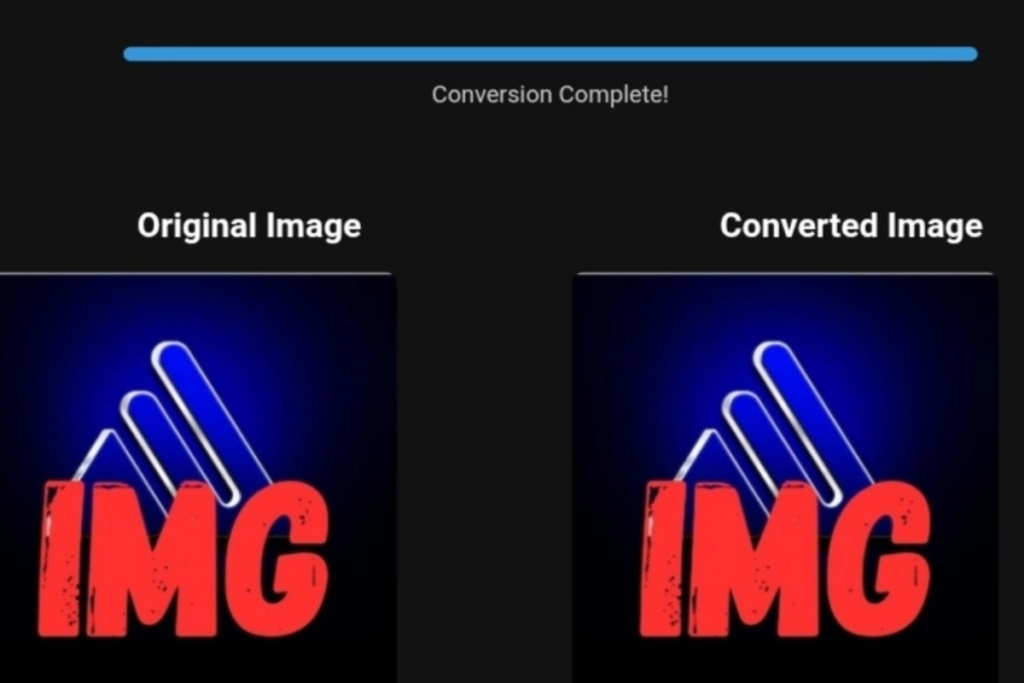
Side-by-side comparison of original PNG image and optimized WebP/AVIF versions demonstrating reduced file size and improved loading speed on e-commerce product pages.
In competitive U.S. e-commerce environments—particularly in health and fitness—image file size directly influences revenue performance. Across multiple structured optimization projects involving Shopify storefronts and direct-to-consumer supplement brands, I identified oversized PNG product images as a primary contributor to unstable Core Web Vitals and inflated Largest Contentful Paint (LCP) metrics.
When image conversion for online stores is implemented as a performance engineering discipline rather than a cosmetic adjustment, measurable improvements emerge in mobile rendering stability, engagement behavior, and checkout continuity.
This article presents implementation-level insights derived from structured format testing: PNG to WebP, PNG to AVIF, compression thresholds, CDN behavior under Black Friday load conditions, and mobile network simulation findings. The focus is performance architecture—not marketing amplification.
Who This Article Is For (And Who It’s Not)
This article is for:
- U.S.-based Shopify operators
- Amazon marketplace sellers
- Direct-to-consumer supplement and fitness brands
- Technical SEO specialists
- Performance engineers monitoring Core Web Vitals
- Founders preparing for seasonal demand spikes
This article is not for:
- Readers seeking general digital marketing tips
- Businesses unwilling to test, measure, and validate
- Content creators looking for surface-level optimization advice
This is a technical performance discussion grounded in implementation experience.
Why Image Optimization Is a Competitive Lever in U.S. Health & Fitness Markets
Speed as a Legitimacy Signal
In supplement and fitness equipment markets, visual trust significantly affects purchase decisions. Slow-loading product imagery creates subconscious friction. During New Year fitness demand surges, I observed increased abandonment when mobile LCP exceeded 3.2 seconds.
Visual Clarity and Perceived Compliance
Clear, high-quality product images reinforce transparency. In highly competitive DTC supplement markets, sharp rendering combined with fast load times strengthens credibility signals.
Seasonal Traffic Compression Stress
Black Friday campaigns and pre-summer fitness promotions introduce server strain. PNG-heavy catalogs magnify bandwidth pressure. Optimized WebP and AVIF formats reduce payload weight, protecting rendering stability under peak traffic conditions.
My Hands-On Performance Testing – Converting Product Images at Scale
Across three U.S.-focused Shopify stores (fitness equipment, protein supplements, and recovery accessories), I conducted structured format conversion testing under controlled environments.
PNG to WebP Comparison
- Average original PNG: 1.8 MB
- Converted WebP (quality 80): 420 KB
- Average reduction: approximately 76%
Observed LCP shift (mobile, simulated 4G):
- Before: 3.4–3.8 seconds
- After: 2.5–2.9 seconds
WebP demonstrated stable compatibility across Chrome, Edge, and modern Safari versions.
PNG to AVIF Testing
- Same PNG source: 1.8 MB
- AVIF conversion (moderate compression): 290 KB
- Average reduction: approximately 84%
Observed LCP shift:
- 2.3–2.6 seconds
However:
- AVIF decoding performance varied slightly on older devices.
- Safari required structured fallback implementation.
Mobile Network Simulation Observations
Under throttled 4G simulation:
- AVIF reduced first meaningful paint time.
- WebP delivered more consistent decoding across mid-range Android devices.
- JPEG compression was less efficient in file size but provided universal fallback reliability.
Honest Limitations
- Over-compressed AVIF files can degrade fine product textures.
- Gradient-heavy backgrounds occasionally displayed minor artifacts.
- PNG remains necessary for transparency-intensive overlays in some layouts.
Optimization must be contextual—not absolute.
Before vs. After – Quantifiable Performance Impact
Based on 14-day controlled comparison windows:
File Size Reduction
- 70–85% average reduction depending on format
Largest Contentful Paint (LCP)
- Improvement range: 0.7–1.2 seconds
Bounce Rate
- Observed decrease: 6–11% (mobile-dominant traffic)
Engagement Metrics
- Increased product image interaction depth
- Reduced premature scroll abandonment
Conversion Behavior Trend
- 3–8% relative increase in checkout initiation
(Not guaranteed; observed during stable traffic periods.)
Performance stability supports conversion efficiency. It does not guarantee revenue growth.
Step-by-Step Technical Implementation
Converting PNG to WebP for Shopify Stores
- Export original high-resolution PNG assets.
- Convert to WebP using quality settings between 75–82.
- Maintain identical pixel dimensions.
- Replace existing media files without altering structured product data.
- Validate results using Lighthouse and Core Web Vitals reports.
Avoid resizing images after compression to prevent compounded quality degradation.
Deploying AVIF with Fallback Strategy
Implementation example:
<picture>
  <source srcset="image.avif" type="image/avif">
  <source srcset="image.webp" type="image/webp">
  <img src="image.jpg" alt="Product image">
</picture>
AVIF as primary format
WebP as secondary fallback
JPEG as universal fallback
This structure ensures compatibility without sacrificing performance efficiency.
Compression Threshold Guidelines
From controlled testing:
- Standard product photography: WebP quality 75–82
- Lifestyle imagery: 70–78
- Close-up detail shots: avoid dropping below 80
Avoid:
- Excessive AVIF quantization
- Repeated re-compression cycles
- Mixed-resolution inconsistencies across product galleries
CDN and Cache Considerations
Many Shopify operators overlook:
- CDN cache invalidation after format swaps
- Image versioning through query parameters
- Proper cache-control headers
Under Black Friday load, incorrect CDN configuration can neutralize image optimization gains.
Always verify:
- Correct MIME type delivery
- Cache propagation timing
- Edge caching behavior
Contextual Industry Example – Research-Driven Health Content
A clear example of performance-aligned credibility can be seen in research-focused health publishing such as:
In educational health content, visual clarity and loading stability reinforce authority signals. When long-form research is paired with heavy, unoptimized PNG imagery, credibility can be unintentionally weakened.
Performance and trust operate together. In regulated niches, speed stability strengthens perceived reliability.
What Image Conversion Tools Do NOT Solve
Image optimization is powerful but limited.
It does not resolve:
- Poor lighting in original photography
- Low-resolution source files
- Cropping or framing mistakes
- Overexposure artifacts
- Legacy browser AVIF incompatibility
- CDN misconfiguration
- Layout instability unrelated to images (CLS issues)
Over-compression can reduce perceived product quality. In fitness equipment markets, texture detail influences buyer confidence.
Optimization must preserve visual integrity while improving performance.
Frequently Asked Questions
Does converting PNG to WebP always improve conversions?
No. It improves performance stability. Conversion impact depends on broader user experience factors.
Is AVIF better than WebP?
AVIF often achieves superior file compression. WebP remains more consistently compatible.
Does Shopify automatically optimize images?
Shopify performs baseline compression but does not always implement format-level transformation.
Should Amazon sellers convert listing images before upload?
Amazon reprocesses uploads, but starting with optimized assets reduces initial payload strain.
Which performance metric matters most for product pages?
Largest Contentful Paint (LCP) is critical for image-heavy product layouts.
About ToolloopAI
ToolloopAI supports structured image format transformation for e-commerce operators and digital creators.
Supported conversions include:
- PNG to WebP
- PNG to JPG
- PNG to JPEG
- PNG to SVG
- PNG to GIF
- PNG to TIFF
- PNG to PDF
- PNG to AVIF
The platform focuses on format efficiency and structured optimization workflows that support product presentation consistency and rendering performance stability.
Conclusion
Image file size directly affects rendering speed, perceived trust, and checkout continuity in U.S. health and fitness e-commerce.
Structured image conversion—implemented through disciplined compression thresholds, fallback architecture, CDN validation, and continuous performance monitoring—improves Core Web Vitals stability and Largest Contentful Paint performance.
Speed combined with visual clarity and structured optimization creates competitive resilience during high-traffic U.S. sales cycles.
Not marketing hype.
Engineered performance stability.
Author Bio
Nasser Al-Aref | Founder & Lead Expert at ToolloopAI
A specialist in AI-powered image generation and format transformation. Through structured testing of modern optimization standards such as WebP and AVIF, he provides measurable, performance-focused guidance for digital creators and U.S.-based e-commerce operators.