How to Reduce Image Size Without Losing Quality
Welcome to the digital landscape of 2025, where visuals are the universal language of the web. From the websites we browse and the online stores we shop at, to the blogs we read and the social media feeds we scroll, high-quality images are non-negotiable for capturing attention and building trust. However, this visual demand comes with a significant downside: bloated image files that cripple website speed, damage search engine rankings, and frustrate users.
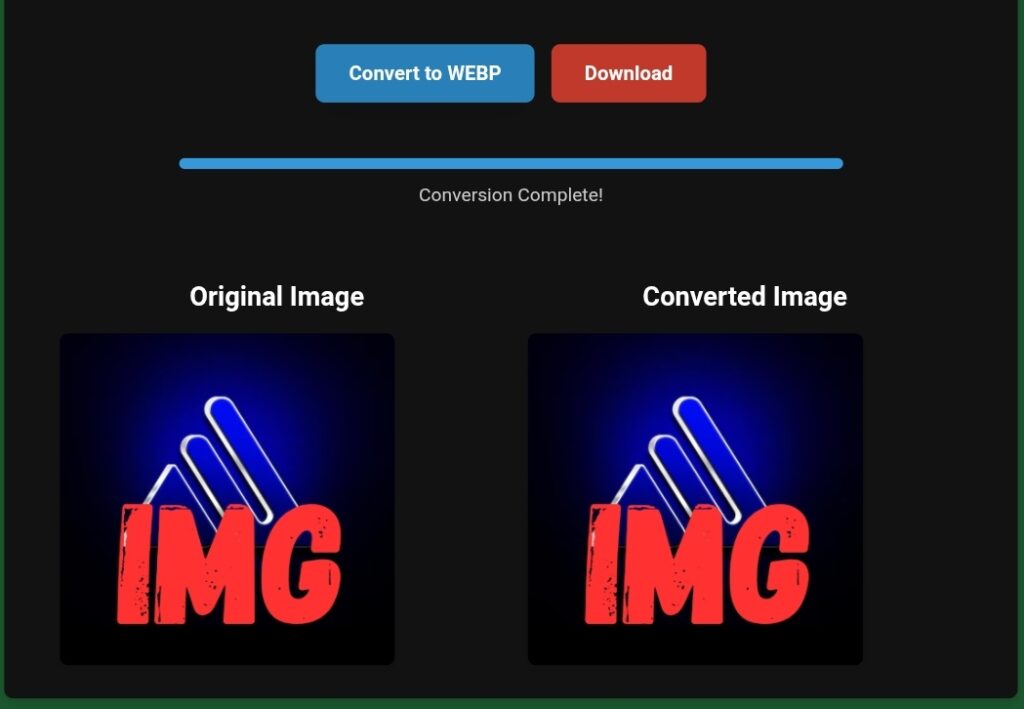
Mastering the art of reducing image size without sacrificing quality has therefore evolved from a niche skill to a fundamental requirement for anyone serious about their online presence. Whether you manage a WordPress blog, a Shopify store, a SaaS platform, or a marketing website, optimized images are your secret weapon for superior performance and visibility.
In this definitive guide, we will explore not just the “how,” but the “why,” equipping you with the knowledge and tools to transform your site’s performance. You’ll learn:
· The critical importance of image compression for modern web success.
· The fundamental difference between lossless and lossy compression.
· How image size directly impacts SEO and user experience.
· The best image formats to use in 2025 (WebP, AVIF, JPEG, PNG).
· A step-by-step process to compress images effectively.
· Why toolloopai.com stands out as a top-tier, user-friendly solution for 2025.
· Actionable, professional tips to optimize your website’s visuals correctly.
Let’s begin by understanding why this topic is more urgent today than ever before.
Why Reducing Image Size is Non-Negotiable in 2025
Search engines, led by Google, have made user experience a cornerstone of their ranking algorithms. With mobile-first indexing now the standard, websites that load quickly, run efficiently, and provide a seamless experience are rewarded. The single most common culprit behind slow-loading pages? Unoptimized, oversized images.
The consequences of neglecting image optimization are severe and quantifiable:
· Slower Page Load Times: Visitors today expect near-instantaneous loading. Every delay leads to frustration.
· Higher Bounce Rates: Users are likely to abandon a site that doesn’t load within seconds.
· Lower Search Engine Rankings: Core Web Vitals, a set of metrics including Largest Contentful Paint (LCP), are direct ranking factors. Large images hurt these scores.
· Wasted Resources: You pay for hosting storage and bandwidth. Oversized images consume these unnecessarily.
· Poor Mobile Performance: With most traffic coming from mobile devices, heavy images can make your site unusable on cellular networks.
· Lost Revenue: For e-commerce sites, speed directly correlates to conversions.
Consider these compelling statistics:
· A 1-second delay in page load time can lead to a 7% reduction in conversions.
· Sites that load in under 2 seconds enjoy significantly higher search engine positions.
· Proper image optimization can improve overall site performance by up to 40%.
The conclusion is clear: if you are not actively compressing your images, you are leaving traffic, revenue, and growth opportunities on the table.
What Does “Reduce Image Size Without Losing Quality” Truly Mean?
The goal is not just to make a file smaller, but to do so intelligently, preserving the visual integrity that makes the image effective. When we talk about reducing size without losing quality, we aim to:
· Maintain the sharpness and clarity of details.
· Retain accurate and vibrant colors.
· Avoid introducing blur, pixelation, or visual artifacts.
· Achieve the smallest possible file size while meeting the above conditions.
Thanks to advanced compression algorithms and artificial intelligence, this is now fully achievable. Modern tools use sophisticated techniques to strip away only redundant, invisible data, a process mastered by platforms like toolloopai.com.
Lossless vs. Lossy Compression: Choosing the Right Path
Understanding these two core compression methods is key to making informed decisions.
1. Lossless Compression
This method reduces file size by finding more efficient ways to store the image datawithout discarding any of it. Think of it like putting a file into a perfectly efficient ZIP folder.
· Pros: Zero loss in quality; every pixel remains identical to the original.
· Best For: Technical images, screenshots, logos, line art, and graphics where absolute precision is required (e.g., PNG graphics with text).
· Drawback: The file size reduction, while helpful, is often less dramatic than with lossy methods.
2. Lossy Compression
This method reduces file size by permanently removing some data,specifically information deemed less important to the human eye.
· Pros: Can achieve drastically smaller file sizes (often 80-90% reduction).
· Best For: Photographs, complex images, and most website visuals where perfect pixel-by-pixel accuracy is not critical.
· The Key: Modern, AI-driven lossy compression (like that used by toolloopai.com) is so intelligent that the “loss” is imperceptible to the viewer, even at high compression ratios. The quality remains visually perfect for all practical purposes.
The Best Image Formats for Speed and Quality in 2025
Choosing the right format is half the battle in optimization. Here’s your 2025 lineup:
1. WebP (The Current Champion): Developed by Google, WebP consistently provides superior compression compared to older formats. It supports both transparency (like PNG) and rich photography (like JPEG). It is the recommended default for the web and is the primary output format for tools like toolloopai.com.
2. AVIF (The Next Frontier): Based on the AV1 video codec, AVIF offers even better compression than WebP, especially for high-resolution and HDR images. Adoption is growing, but browser support, while excellent in modern browsers, is not yet as universal as WebP.
3. JPEG/JPG (The Reliable Classic): Universally supported and excellent for photographs. Use it when you need guaranteed compatibility, but always compress it first. Modern tools can compress JPEGs heavily with minimal visible impact.
4. PNG (The Quality Specialist): The go-to format for images requiring transparency (drop shadows, logos) or crisp text/graphics. PNG files are often large, so compressing them—especially converting them to WebP—is crucial.
5. SVG (The Vector King): For icons, logos, and simple illustrations, SVG is unbeatable. As a vector format, it scales to any size without losing quality and results in tiny file sizes.
The Direct Link Between Image Size and Your Website’s SEO
Google’s algorithm is a complex beast, but its preference for fast, user-friendly sites is simple and well-documented. Optimizing your images sends powerful positive signals:
· Improved Core Web Vitals: Direct ranking factors like Largest Contentful Paint (LCP) are heavily influenced by image loading speed.
· Higher PageSpeed Scores: Tools like Google PageSpeed Insights reward optimized images, giving you a green light for performance.
· Better Crawl Efficiency: Search engine bots can crawl and index more of your site faster when it’s not bogged down by large files.
· Enhanced User Engagement: Faster sites keep users on-page longer, reducing bounce rates and increasing pageviews—both positive engagement metrics.
· Competitive Advantage: In competitive niches, site speed can be the differentiating factor that pushes you above rivals in search results.
Simply put, image optimization is not a separate task from SEO; it is a fundamental pillar of a successful SEO strategy in 2025.
How to Reduce Image Size Without Losing Quality Using toolloopai.com
This is where theory meets practice. toolloopai.com has emerged as a leading solution because it combines powerful, AI-driven compression with exceptional ease of use. It requires no technical expertise, no software installation, and delivers professional results in seconds.
Why toolloopai.com is a Top Choice for 2025:
· AI-Powered Engine: Employs advanced algorithms to analyze and compress images intelligently.
· Smart Quality Preservation: Strikes the perfect balance between maximum size reduction and visual integrity.
· Format Flexibility: Supports uploads in JPG, PNG, and WebP, and allows conversion to the most efficient format.
· Blazing Speed: Processes batches of images rapidly, saving you valuable time.
· 100% Web-Based & Secure: No downloads; your images are processed securely without being stored permanently.
· Designed for Everyone: From bloggers and marketers to web developers and e-commerce store owners.
A Simple, Four-Step Process:
1. Visit: Navigate to toolloopai.com.
2. Upload: Drag and drop your images (you can process multiple files at once).
3. Compress: The AI automatically applies optimal settings. You can often choose between “High-Quality” and “Maximum Compression” based on your needs.
4. Download: Get your optimized images instantly, ready to upload to your website, store, or social media.
Real-World Compression Results:
Here’s what you can typically expect when using: www.toolloopai.com:
Image Type Original Size Compressed Size Quality Observation
Blog Post Hero Image (JPEG) 1.8 MB 220 KB Visually identical; perfect for web.
E-commerce Product PNG (with transparency) 900 KB 100 KB (as WebP) Transparency preserved, detail remains sharp.
Website Logo (PNG) 500 KB 60 KB (Lossless) Pixel-perfect, no artifacts.
Screenshot for Tutorial 1.2 MB (PNG) 150 KB (WebP/JPEG) Text remains perfectly readable.
These savings, often reaching 80-90%, directly translate to faster page loads and happier users.
Professional Best Practices for Image Optimization in 2025
Beyond using a great tool, follow these expert tactics:
1. Convert to WebP by Default: Make WebP your standard output format. Use toolloopai.com to convert your existing JPEGs and PNGs. Implement <picture> HTML tags to serve WebP to supporting browsers and fall back to JPEG/PNG for others.
2. Resize Before You Compress: Never upload a 4000-pixel wide image if your website’s container only displays it at 800 pixels. Resize images to their display dimensions first. Common guidelines:
· Full-width blog/hero images: 1200-1900px wide.
· General content images: 800-1200px wide.
· Thumbnails: 300-400px wide.
· Product gallery images: 1000-1600px wide.
3. Use the Right Compression Type: Apply lossless compression to logos, technical drawings, and text-heavy graphics. Use intelligent lossy compression (like AI-powered tools offer) for photographs and complex images.
4. Optimize Screenshots: Screenshots saved as PNGs are huge. Always run them through a compressor like toolloopai.com to convert them to a more efficient WebP or JPEG.
5. Implement Lazy Loading: Ensure images only load as the user scrolls them into view. This is a standard feature in modern WordPress themes and can be easily implemented with plugins or code.
6. Leverage Caching and CDNs: Serve your optimized images via a Content Delivery Network (CDN) to ensure fast delivery from a server geographically close to your visitor.
7. Don’t Forget Alt Text: While it doesn’t affect file size, always use descriptive, keyword-rich alt text for your images. This is vital for accessibility, SEO, and provides context if an image fails to load.
Conclusion: Image Optimization is Your 2025 Performance Catalyst
In the competitive digital ecosystem of 2025, overlooking image optimization is a luxury no one can afford. Reducing image size without losing quality is a straightforward, high-impact strategy that delivers a cascade of benefits: lightning-fast site speed, stronger SEO rankings, a superior user experience, and ultimately, higher conversions and growth.
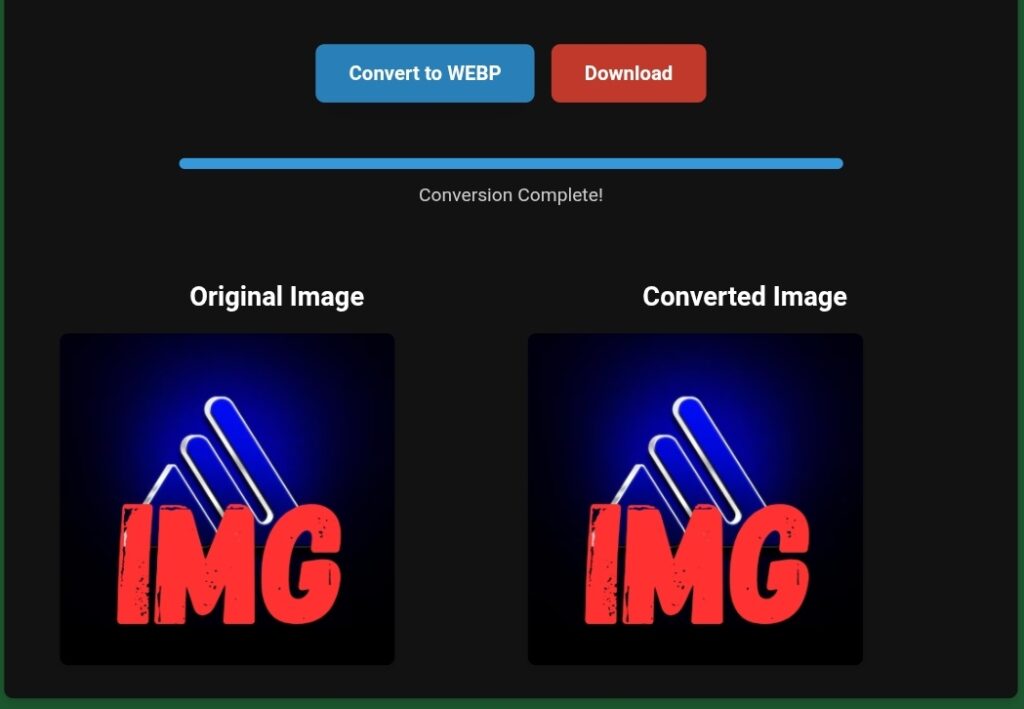
With intuitive, powerful tools like toolloopai.com, this critical task is no longer a technical chore but a quick and seamless part of your workflow. The investment of a few minutes to compress your visuals pays dividends in site performance for the lifetime of your content.