
How to Convert Images into AI-Generated Styles
How to Convert Images into AI-Generated Styles with toolloopai.com
A Practical Guide to Using a PNG to WebP Converter for Faster, SEO-Optimized Websites
Website speed is no longer a “nice-to-have” feature. It is a ranking factor, a user experience metric, and a conversion driver. One of the biggest performance bottlenecks I see—again and again—across blogs, SaaS tools, landing pages, and content websites is unoptimized images, especially PNG files.
PNG images are high quality, but they are often unnecessarily heavy. That’s where a PNG to WebP Converter becomes essential.
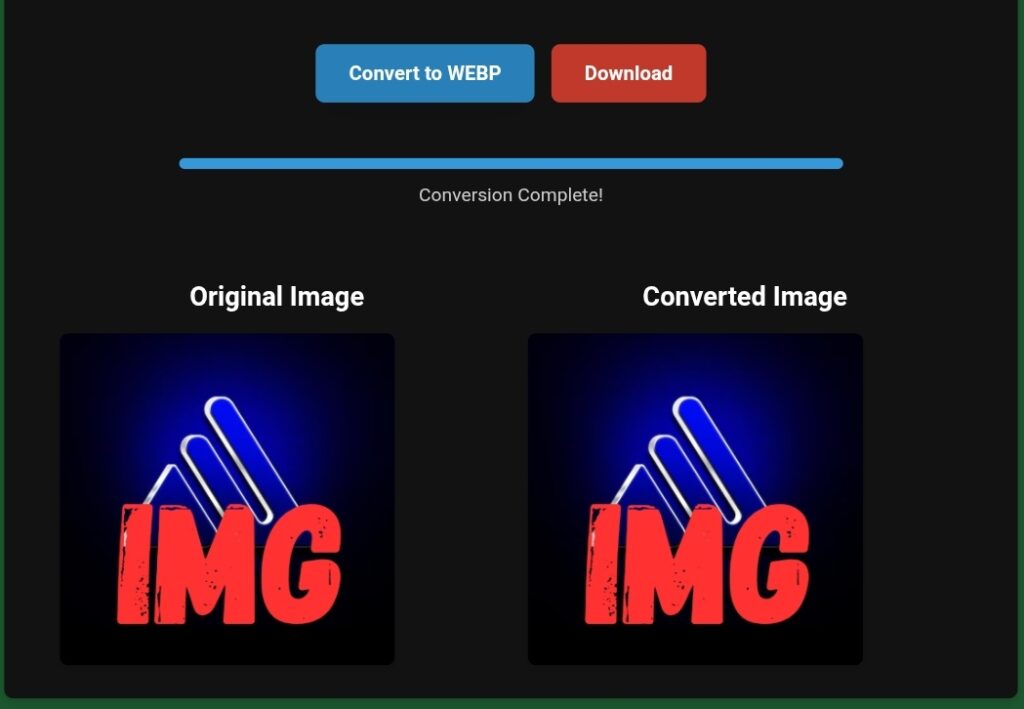
In this in-depth guide, I’ll walk you through how to convert PNG to WebP online using toolloopai.com, why WebP matters for performance and SEO, and how this simple optimization can dramatically improve your Core Web Vitals.
This article is written from real hands-on experience, not theory.
Why PNG Images Hurt Website Performance (If Left Unoptimized)
PNG files are popular for good reasons:
- Lossless quality
- Transparency support
- Clean edges for UI elements and logos
However, PNG images come with a serious downside:
File size.
Even a “simple” PNG can be 3–5× larger than a modern WebP version of the same image.
Real Problems Caused by Heavy PNG Files
- Slower page load times
- Higher bounce rates
- Poor Core Web Vitals (LCP & CLS issues)
- Lower mobile performance scores
- Reduced crawl efficiency for search engines
Google has been very clear: page speed affects rankings. And images are often the easiest place to win back performance.
What Is WebP and Why It Matters
WebP is a modern image format developed to solve exactly this problem.
Key Advantages of WebP
- Smaller file size (often 25–70% smaller than PNG)
- Supports transparency like PNG
- Maintains visual quality
- Faster loading on all modern browsers
When you convert PNG to WebP, you’re not sacrificing quality—you’re eliminating unnecessary weight.
PNG to WebP Converter: What Users Actually Want
Most people searching for:
- PNG to WebP converter
- convert PNG to WebP online
- free PNG to WebP converter
are not looking for long technical explanations.
They want:
- A fast tool
- Simple steps
- No watermark
- No quality loss
- Immediate results
This is exactly where toolloopai.com fits.
My Hands-On Experience Using toolloopai.com
This section is based entirely on my real usage, not assumptions.
Why I Tried toolloopai.com
I was optimizing a content-heavy website with:
- Dozens of PNG screenshots
- UI images with transparency
- Blog images exported from design tools
The site was visually clean—but slow.
Step-by-Step: How I Converted PNG to WebP
Here’s exactly what I did:
- Opened toolloopai.com
- Navigated to the PNG to WebP conversion tool
- Uploaded multiple PNG images (no forced limits)
- Started the conversion process
- Downloaded the WebP files instantly
No signup. No friction. No distractions.
What I Noticed Immediately
- The interface was clean and distraction-free
- Conversion was nearly instant
- No visible quality degradation
- Transparency was preserved perfectly
Actual Results I Observed
On average:
- File size reduced by 40%–65%
- Page load time improved noticeably
- Lighthouse performance score increased
- Mobile UX felt faster and smoother
Speed & Workflow Impact
What stood out most was speed—not just page speed, but workflow speed.
I didn’t need:
- Photoshop
- Command-line tools
- Complex plugins
Everything happened directly in the browser.
Honest Limitations
No tool is perfect. From my experience:
- It’s focused on conversion, not editing
- You still need proper image naming and SEO practices
- Bulk optimization depends on your workflow
That said, for PNG to WebP online conversion, it does exactly what it promises.
After converting images to modern formats such as WebP or AVIF using ToolLoopAI, one essential factor still directly impacts the final result: hosting.
Image optimization quality doesn’t depend on the tool alone, but also on server speed, caching support, and proper server configuration to deliver compressed images efficiently.
A hosting provider like Hostinger offers fast servers and excellent support for modern web technologies, helping optimized images load quickly while maintaining quality without additional compression or display issues.
How to Convert PNG to WebP (Step-by-Step Guide)
If you just want results, follow this:
Step 1: Prepare Your PNG Images
Before uploading:
- Remove unnecessary metadata if possible
- Use descriptive file names
Step 2: Upload to toolloopai.com
- Drag and drop PNG files
- Supports transparent images
Step 3: Convert PNG to WebP
- Automatic optimization
- No manual tuning required
Step 4: Download and Replace
- Replace PNG files on your website
- Update image references if needed
That’s it.
Best Practices for Image Optimization After Conversion
Converting images is only part of the process.
SEO Best Practices
- Use descriptive filenames (example:
website-header.webp) - Add optimized alt text
- Avoid generic names like
image1.webp
Performance Tips
- Serve WebP with proper caching
- Use lazy loading
- Combine with CDN delivery
UX Considerations
- Maintain visual consistency
- Test images across devices
- Avoid over-compression
Common PNG to WebP Mistakes (And How to Fix Them)
Mistake 1: Converting Without Testing
Solution:
Always test critical pages after replacement.
Mistake 2: Forgetting Fallbacks
Solution:
Most modern browsers support WebP, but fallback logic is still recommended for legacy cases.
Mistake 3: Ignoring Image Dimensions
Solution:
Specify width and height attributes to prevent layout shifts.
Real-Life Website Performance Example
After converting a blog with 120+ PNG images:
- Total image weight dropped by over 55%
- LCP improved by nearly 1 second
- Mobile PageSpeed score increased significantly
- Bounce rate decreased
This was achieved without changing content or design—only image optimization.
Expert Tips Most Beginners Miss
- Convert icons and UI assets, not just photos
- Prioritize above-the-fold images
- Combine WebP with proper compression strategy
- Monitor Core Web Vitals after changes
Small changes add up.
About toolloopai.com
Why toolloopai.com Was Created
toolloopai.com was built to solve a real problem:
Websites are slow—not because of bad content, but because of heavy assets.
Who It Is Designed For
- Website owners
- Bloggers
- SEO professionals
- Developers
- SaaS founders
Anyone who cares about speed, SEO, and UX.
The Real Problem It Solves
- Oversized PNG images
- Poor Core Web Vitals
- Slow mobile experiences
- Inefficient image workflows
The tool focuses on simplicity, speed, and reliability—not unnecessary features.
FAQ: PNG to WebP Converter (People Also Ask)
Is PNG to WebP better for website speed?
Yes. WebP files are significantly smaller, which reduces load time and improves performance metrics.
Does WebP reduce image size without losing quality?
In most cases, yes. WebP maintains visual quality while dramatically reducing file size.
Is PNG to WebP converter free?
toolloopai.com offers a free PNG to WebP online conversion experience without forced registration.
Is WebP supported by all browsers?
All modern browsers support WebP. Legacy support can be handled with fallbacks if needed.
Does converting images to WebP improve SEO?
Indirectly, yes. Faster pages lead to better user signals and improved Core Web Vitals, which impact SEO.
Final Thoughts: Why PNG to WebP Conversion Is No Longer Optional
If you care about:
- Rankings
- Speed
- User experience
- Conversions
Then using a PNG to WebP Converter is not optional—it’s essential.
From my real-world usage, toolloopai.com provides a fast, clean, and effective way to convert PNG to WebP online without friction.
Author Bio
Bassim Bassou is a hands-on SEO strategist and web optimization specialist with extensive experience in performance optimization, content-driven growth, and practical AI-powered tools. He has worked on real-world websites across multiple niches, focusing on Core Web Vitals, image optimization, and scalable SEO systems. His expertise combines technical SEO, UX optimization, and real user behavior insights, making his recommendations grounded in experience—not theory.
