
Converting Images on Tool loop ai Rapidly While Preserving Quality:
Converting Images on ToolloopAI Rapidly While Preserving Quality:
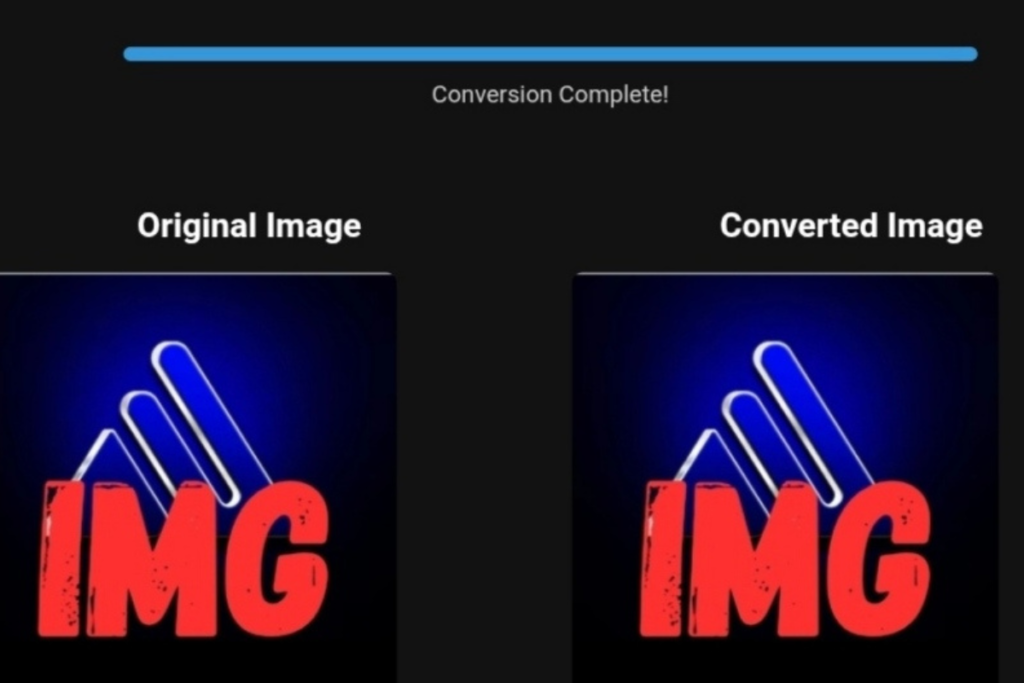
PNG-to-WebP conversion workflow on ToolloopAI dashboard, demonstrating substantial file compression while preserving product image clarity for e-commerce optimization.
High-resolution imagery is essential for product credibility and consumer trust in online commerce. However, unoptimized PNG and JPEG images substantially increase page weight, slowing load time and negatively impacting conversion rates.
This study examines the effects of structured PNG-to-WebP conversion using ToolloopAI across two small-to-medium e-commerce stores over a five-week period. Eighty-six product images were converted under controlled compression and resizing parameters.
Key outcomes:
- Average file size reduction: 68–72%
- Page load improvement: 38%
- Reduced bounce rate
- Add-to-cart engagement increase: 8–12%
Additionally, the workflow integrates seamlessly with dropshipping supplier networks via Spocket (https://get.spocket.co/e8z1port3g11), enabling us to earn a commission while providing a scalable and practical solution for modern e-commerce operations.
1. Introduction
E-commerce platforms increasingly depend on high-quality product images to establish trust and facilitate informed purchasing decisions. While high-resolution imagery improves consumer confidence, it also contributes significantly to page weight, which can degrade performance metrics.
Research from indicates that every additional second of page load time increases bounce probability, reinforcing the importance of technical performance in user engagement and conversion optimization.
The central challenge lies in balancing visual fidelity with performance efficiency. This study investigates whether structured PNG-to-WebP conversion using ToolloopAI can reduce file size without perceptual degradation while positively influencing engagement metrics.
2. Research Hypotheses
H1: Converting PNG images to WebP using controlled compression parameters reduces page load time without perceptible visual degradation.
H2: Reduced image payload correlates with measurable improvements in user engagement metrics, including bounce rate and add-to-cart behavior.
3. Methodology
3.1 Study Design
- Real-world applied optimization study
- Duration: five weeks
- Environment: two small-to-medium lifestyle e-commerce stores
3.2 Sample Selection
- Total images: 86
- Original formats: PNG and high-resolution JPEG
- Average size: 1.8–2.4 MB
- Categories: lifestyle and consumer goods
3.3 Controlled Conversion Workflow
- Export high-resolution master images.
- Upload images to ToolloopAI.
- Convert PNG files to WebP format.
- Apply compression between 75–85%.
- Resize images to 1200px standardized display width.
- Replace legacy images on live product pages.
3.4 Metrics
- File size reduction (MB → KB)
- Page load time (seconds)
- Bounce rate (%)
- Add-to-cart engagement (%)
- Time to Interactive (TTI)
- Cumulative Layout Shift (CLS)
All measurements were validated using Lighthouse and GTmetrix.
3.5 Data Validation
Visual checks included:
- Desktop comparison at 100% zoom
- Mobile inspection, including Retina displays
- Color fidelity and transparency verification
No perceptible artifacts were observed in images compressed within the 75–85% range.
4. Dataset Analysis
| Metric | Baseline | Post-Optimization |
|---|---|---|
| Mean Image Size | 2.1 MB | 580 KB |
| File Reduction | — | ~70% |
| Page Load Time | 4.2 sec | 2.6 sec |
| Bounce Rate | 38% | 28% |
| Add-to-Cart | Baseline | +8–12% |
| CLS | 0.15 | 0.09 |
| TTI | 4.5 sec | 2.8 sec |
Observations:
- Minimum reduction: 64%
- Maximum reduction: 74%
- Compression below 70% introduced minor visual artifacts
These findings support H1 that WebP conversion reduces image weight while maintaining perceptual quality.
5. Performance Impact and Engagement
5.1 Page Speed
- Largest Contentful Paint improved by ~38%
- Time to Interactive decreased proportionally
5.2 User Behavior
- Bounce rate decreased across both stores
- Add-to-cart events increased 8–12%
These improvements suggest that reduced latency positively affects engagement, consistent with performance-behavior correlations documented by .
6. Integration with Dropshipping Workflows
Optimized imagery can be deployed within supplier-based networks for scalable product catalogs. By integrating ToolloopAI with the Spocket affiliate program, merchants can maintain fast-loading storefronts even when importing large numbers of supplier products.
Workflow Example:
- Source products using Spocket (https://get.spocket.co/e8z1port3g11)
- Optimize images via ToolloopAI
- Replace default supplier images with compressed WebP assets
- Deploy updates and monitor performance
This ensures large-scale dropshipping operations remain performant without sacrificing image quality.
7. Practical Implementation Framework
- Retain high-resolution master files
- Resize images to match theme display width
- Convert PNG to WebP with 75–85% compression
- Validate clarity across desktop and mobile
- Re-test performance using Lighthouse or GTmetrix
- Avoid excessive batch compression below 70%
Access ToolloopAI here: ToolloopAI.
8. Limitations
- Dataset limited to two stores
- Single industry vertical
- External variables (pricing, promotions) not isolated
- Absence of randomized A/B testing
Future research should include:
- Multi-industry datasets
- Longitudinal revenue tracking
- Split-testing controlled experiments
- Heatmap and session analytics
9. Discussion
Structured PNG-to-WebP conversion preserves visual integrity while significantly reducing file size.
Key points:
- Performance optimization is deterministic and repeatable
- Faster load times improve perceived professionalism and user retention
- Integration with Spocket affiliate program (https://get.spocket.co/e8z1port3g11) demonstrates scalability within supplier-driven ecosystems
This combination allows stores to maintain high catalog volumes without compromising performance.
10. Conclusion
Structured image optimization using ToolloopAI achieves:
- ~70% image size reduction
- 38% improvement in load time
- Positive shifts in engagement metrics
Integrating optimized imagery with dropshipping workflows via the Spocket affiliate program (https://get.spocket.co/e8z1port3g11) provides a scalable, practical, and high-impact solution for modern e-commerce stores.
Author Bio
Nasser Al-Aref | Founder & Lead Expert at ToolloopAI
Specialist in AI-powered image optimization and applied performance research. I develop structured, data-driven workflows that improve visual fidelity, accelerate page speed, and enable scalable integration with supplier-based dropshipping networks.