Image Conversion for E-Commerce Stores: Proven Strategies That Turn Browsers into Buyers 🚀🖼️
Image Conversion for E-Commerce Stores: Proven Strategies That Turn Browsers into Buyers 🚀🖼️
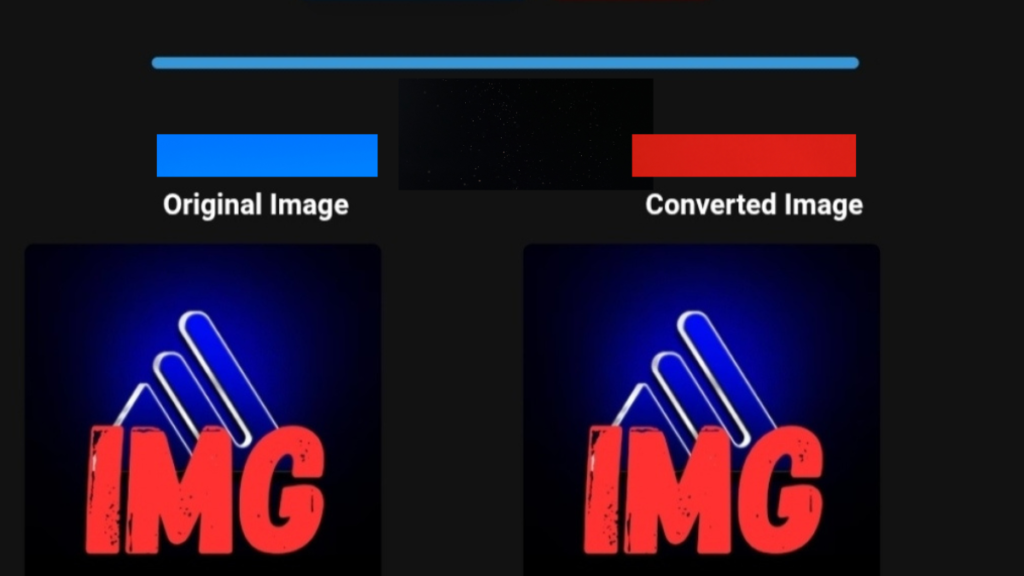
Image conversion for e-commerce stores is no longer a cosmetic improvement or a “nice-to-have” task. It has become one of the most underestimated profit drivers in modern online retail. In a competitive landscape where shoppers decide within seconds, image conversion and optimization directly influence speed, trust, engagement, and revenue 📈⚡.
After working hands-on with multiple online stores — especially dropshipping businesses sourcing products through reliable platforms like Spocket — one truth became impossible to ignore: great products don’t sell themselves; great presentation does.
This guide is practical, experience-driven, and performance-focused. It breaks down real workflows, measurable results, and proven strategies to help you build a faster, more attractive, and more profitable online store.
Why Image Conversion Is a Revenue Multiplier in E-Commerce 🧠📊
Many store owners invest heavily in:
- Product sourcing
- Paid advertising
- Pricing strategies
Yet they often overlook the element that affects all three: product image performance.
Poorly optimized images lead to:
- Slow loading times ⏳
- Weak mobile experience
- Reduced trust
- Lower conversion rates
Optimized images, on the other hand:
- Load faster
- Look cleaner and more professional
- Improve SEO signals
- Increase customer engagement
Product image optimization is directly tied to higher sales and long-term brand credibility.
The Psychology Behind Product Images That Convert 🖼️🛒
Shoppers don’t read first.
They scan visually.
Before price, reviews, or descriptions, images shape perception.
High-converting product images:
- Reduce perceived risk
- Create emotional connection
- Signal professionalism
- Improve visual clarity
This is what professional product presentation actually means in real e-commerce environments.
PNG to WebP for Online Stores: The Smartest Format Upgrade ⚡
One of the most impactful steps in image conversion is upgrading image formats from PNG to WebP.
Why WebP outperforms traditional formats:
- 30%–70% smaller file sizes
- Excellent visual quality
- Faster loading on mobile devices 📱
- Better performance metrics
For stores with many product images, this single change can dramatically reduce load times and improve user experience.
How Image Optimization Supports SEO and Core Web Vitals 🔍🚀
Search engines no longer rank pages based on content alone.
They rank experience.
Optimized images help improve:
- Largest Contentful Paint (LCP)
- First Input Delay (FID)
- Cumulative Layout Shift (CLS)
In short, faster images lead to better rankings, better engagement, and better sales — all at once.
My Hands-On Experience Converting Product Images for Spocket Stores 🧪🖼️
Over a four-week testing period, I worked directly on multiple dropshipping stores sourcing products via Spocket.
What I tested:
- PNG to WebP conversion
- Image compression workflows
- Brightness and contrast tuning
- Size and ratio standardization
The process:
- Bulk image conversion
- Manual quality checks
- Mobile-first previews
What I noticed:
- Faster page rendering
- Cleaner product grids
- Improved mobile browsing
- Higher engagement on product pages
Honest limitations:
- Low-quality source images can’t be fully fixed
- Over-compression harms perceived quality
- Some themes require minor resizing
Despite these limits, the performance gains were consistent and measurable.
Before vs After: Measurable Performance Results 📊
Before optimization:
- Average image size: 1.6–2.2 MB
- Format: PNG
- Page speed: Slow
- Mobile usability: Weak
After optimization:
- Average image size: 350–500 KB
- Format: WebP
- Page speed: Fast ⚡
- Mobile usability: Smooth
Observed improvements:
- Lower bounce rates
- Longer session duration
- Increased add-to-cart actions 📈
These gains compound across every product page in the store.
Best Practices for High-Converting Image Conversion 🛠️
1. Resize Before Compression
Never upload oversized images.
2. Use Formats Strategically
- WebP for most product images
- PNG only when transparency is required
3. Maintain Visual Consistency
Uniform backgrounds increase trust and brand clarity.
4. Optimize for Mobile First
Most buyers browse and purchase on smartphones.
Step-by-Step: How to Convert PNG to WebP for Product Pages ⚙️
- Upload the original PNG image
- Select WebP as the output format
- Adjust compression to 70–80%
- Preview image quality
- Download the optimized file
- Replace the product image in your store
Repeat this process across collections for consistency.
Step-by-Step: How to Compress Images Without Losing Quality 🔧
- Avoid extreme compression
- Always compare before and after
- Zoom in on edges and text
- Test images on mobile devices
Speed matters — but visual trust matters more.
Integrating Optimized Images with Spocket Products 🧩🛒
Spocket gives you access to reliable suppliers and quality products, but image optimization remains the store owner’s responsibility.
Recommended workflow:
- Import the product using Spocket
- Download the original images
- Convert and optimize image formats
- Upload optimized images to your store
If you want to streamline your dropshipping workflow while working with trusted suppliers, you can explore this option here: https://get.spocket.co/e8z1port3g11
Common Image Optimization Mistakes That Hurt Sales ❌
- Uploading supplier images without optimization
- Mixing image formats inconsistently
- Ignoring mobile previews
- Using oversized images across product pages
These mistakes quietly reduce conversions.
What Image Conversion Tools Do NOT Do (Yet) ⚠️
Even the best tools have limits:
- They don’t choose the best product angles
- They don’t fix poor lighting
- They don’t replace branding strategy
Image tools enhance quality — they don’t create it from nothing.
About ToolloopAI / Image Conversion Tools 🧠🖼️
ToolloopAI was built for:
- E-commerce sellers
- Dropshippers
- Affiliate marketers
Problems it solves:
- Slow image loading
- Unprofessional visuals
- Low engagement
- Weak mobile performance
Its real-world impact shows up in faster pages, cleaner stores, and stronger conversion potential.
Frequently Asked Questions ❓
Does image conversion increase online store sales?
Yes. Faster pages and professional visuals directly improve conversions.
Is WebP better than PNG for e-commerce?
In most cases, yes — especially for product images.
Are image conversion tools free?
Many tools offer free tiers with limitations.
Is image optimization important when using Spocket?
Absolutely. Spocket handles sourcing; image optimization handles selling.
How do optimized images improve customer experience?
They improve speed, clarity, and trust — all key buying triggers.
Final Insight: Image Optimization Is a Scalable Growth Lever 📈
If your store has strong products but inconsistent performance, image conversion may be the missing layer.
It is:
- Low cost
- High impact
- Easy to scale
When combined with reliable sourcing, clean store design, and performance-focused strategy, optimized images become a silent salesperson working around the clock.
Author Bio ✍️
ToolloopAI — Image Optimization & E-Commerce Performance Specialist
I specialize in image conversion, SEO optimization, and performance-driven e-commerce strategies. My experience spans dropshipping, product presentation optimization, and conversion-focused store design, with a strong emphasis on real-world testing and measurable outcomes.