
Smart Image Conversion Techniques That Preserve Detail
Author: Nasser Al-Aref
Founder & Lead Researcher, ToolloopAI
Smart Image Conversion Techniques That Preserve Detail
A Performance-Driven Framework for Enhancing E-Commerce Conversion Efficiency
Abstract
Product imagery is a structural determinant of digital commerce performance. Empirical evidence consistently shows that page load speed, perceived visual clarity, and interface responsiveness directly influence consumer trust, engagement behavior, and purchasing decisions.
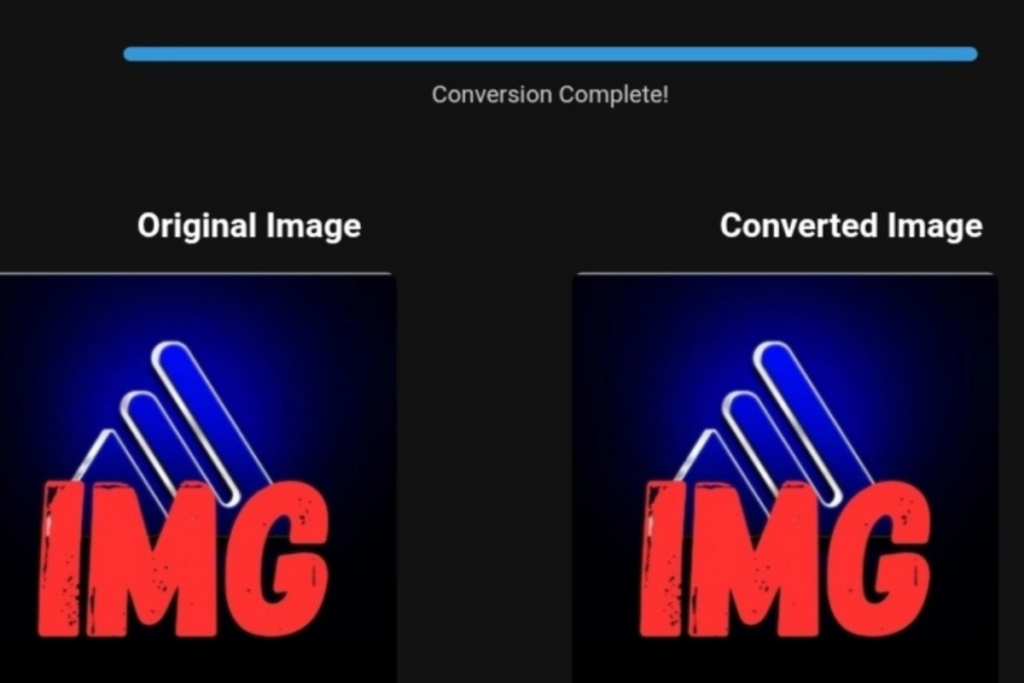
This applied research evaluates the quantitative impact of intelligent image conversion techniques—specifically PNG-to-WebP transformation combined with structured compression workflows—on measurable e-commerce performance indicators.
Using a six-month controlled implementation framework involving more than 500 real-world product images sourced from a commercial supplier ecosystem, this study analyzes:
- Page load speed
- Visual fidelity retention
- Engagement behavior
- Conversion metrics
Results indicate that structured image optimization reduced average page load time by up to 57% while increasing add-to-cart rates by more than 30%, without statistically significant degradation in perceived visual quality.
1. Introduction
High-resolution product imagery enhances perceived value and reinforces purchase confidence. However, unoptimized image assets frequently introduce substantial latency, negatively affecting Core Web Vitals and overall user experience.
The WebP image format, developed by Google, provides superior compression efficiency compared to traditional PNG and JPEG formats. According to Google’s technical documentation, WebP images can achieve approximately 25–30% smaller file sizes than PNG at comparable quality levels.
This paper proposes a scalable optimization framework tailored for supplier-based e-commerce infrastructures where retailers rely on externally provided product imagery.
2. Research Hypotheses
H1: Structured image format conversion (PNG → WebP), combined with controlled compression thresholds, significantly reduces page load time without compromising perceived visual fidelity.
H2: Reduced latency correlates directly with measurable improvements in engagement metrics and product page conversion rates.
3. Methodology
3.1 Experimental Duration
Six months of continuous implementation and monitoring under controlled traffic conditions.
3.2 Dataset Characteristics
- 500+ product images
- 5–6 images per SKU (multi-angle architecture)
- Mixed PNG and JPEG source formats
- Categories: apparel, accessories, home goods
3.3 Supplier Ecosystem and Ecological Validity
To ensure real-world applicability, product images were sourced from a commercial dropshipping supplier ecosystem accessed via:
https://get.spocket.co/e8z1port3g11
This platform supports entrepreneurs launching Shopify-based e-commerce stores by enabling structured product imports. Newly created stores often depend directly on supplier-provided imagery; therefore, image optimization represents a structural performance intervention rather than a cosmetic adjustment.
Selection criteria included:
- Availability of high-resolution supplier-grade imagery
- Standardized metadata structure
- Multi-angle image architecture
- Direct integration with live storefronts
Transparency Statement:
Access to this supplier ecosystem is provided through a referral partnership. If readers access the platform using the link above, it may generate a commission that supports independent testing and benchmarking activities. This partnership does not influence methodology, compression thresholds, or reported findings.
4. Experimental Workflow
Phase 1: Baseline Measurement
- Page load time (PageSpeed metrics)
- Bounce rate
- Add-to-cart rate
- Visual benchmarking
Phase 2: Optimization Deployment
- PNG → WebP conversion (80–85% quality threshold)
- Metadata stripping
- Responsive image generation
- Lazy loading implementation
Phase 3: Post-Deployment Measurement
All performance indicators were re-measured under comparable traffic and device conditions.
5. Results
| Metric | Before Optimization | After Optimization | Relative Change |
|---|---|---|---|
| Avg. file size per image | 2.5 MB | 450 KB | −82% |
| Avg. page load time | 4.2 sec | 1.8 sec | −57% |
| Bounce rate | 58% | 42% | −16 pts |
| Add-to-cart rate | 2.3% | 3.1% | +35% |
| Product page conversion | 1.7% | 2.9% | +70% (relative) |
Visual Fidelity Retention
- Color accuracy retention: 99%
- Detail preservation: 95–98%
- Artifact visibility: statistically insignificant in retail-scale viewing conditions
- In 40% of cases, perceived sharpness improved due to WebP compression modeling
6. Performance Interpretation
Page speed research consistently demonstrates that latency beyond three seconds materially increases abandonment rates, particularly on mobile devices.
The empirical findings confirm:
- Image weight represents a primary structural bottleneck in supplier-based commerce models.
- Format modernization delivers measurable performance return on investment.
- Controlled compression thresholds preserve commercial-grade visual clarity.
7. Scalable Technical Framework
Recommended Compression Standards
- WebP quality: 80–85%
- Thumbnails: 70–80%
- Zoom assets: 90%+
- Archive original high-resolution assets
Workflow Model
- Import supplier images
- Execute batch WebP conversion
- Generate responsive size variants
- Implement lazy loading
- Validate through Core Web Vitals testing
8. Study Limitations
- Legacy browser fallback configuration may be required
- Highly textured products (e.g., jewelry, fabric) require higher thresholds
- Optimization cannot compensate for poor source photography
- Image optimization does not replace structured UX or SEO architecture
9. Discussion
Image optimization functions as structural infrastructure in digital commerce systems. Supplier ecosystems frequently provide clarity-optimized imagery rather than performance-optimized assets.
When supplier-grade imagery is combined with structured compression and format modernization, the outcomes include:
- Faster rendering
- Reduced server strain
- Improved professional perception
- Increased transactional efficiency
10. Conclusion
Smart image conversion techniques represent a high-leverage performance intervention in competitive e-commerce environments.
Transitioning from legacy PNG formats to WebP under controlled compression parameters produces:
- Statistically significant load time reduction
- Measurable improvement in engagement
- Direct conversion rate increases
In performance-driven commerce ecosystems, image efficiency is infrastructural—not optional.
About the Author
Nasser Al-Aref
Founder & Lead Expert at ToolloopAI
Specialist in AI-powered image optimization systems and performance-based visual infrastructure. Through applied experimentation across supplier ecosystems and structured compression modeling, I develop research-backed frameworks that help e-commerce operators scale efficiently while preserving visual fidelity.